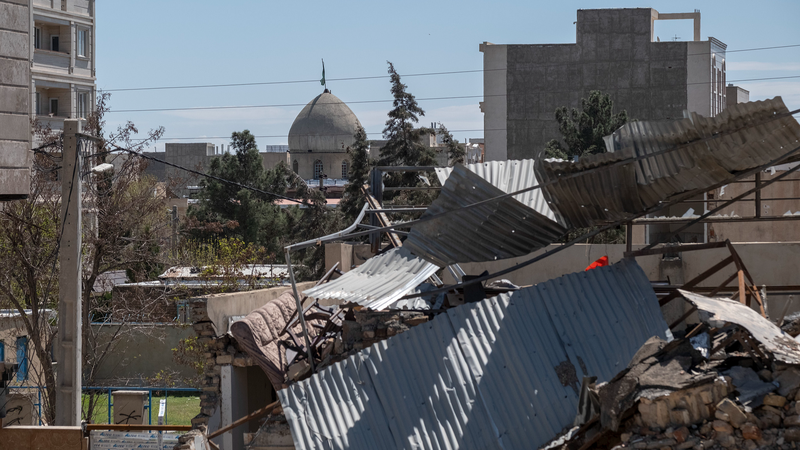
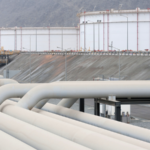
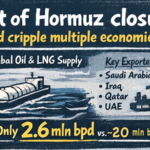
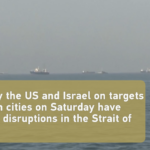
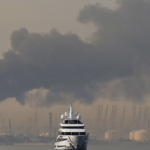
As the US-led military campaign against Iran enters its fifth week, global markets face unprecedented volatility. WTI crude oil futures surged to $112 per barrel on April 3, 2026 – the highest since 2022 – while major stock indices like the S&P 500 and Stoxx 600 plummeted 8-10% this week. The prolonged closure of the Strait of Hormuz, a critical conduit for 20% of global oil trade, has triggered supply chain disruptions across energy, agriculture, and semiconductor sectors.
Analysts warn that sustained high energy prices could derail post-pandemic recovery efforts, with Tian Huifang, senior researcher at the Chinese Academy of Social Sciences, noting: "Dual pressures of inflationary spikes and demand contraction threaten to stall AI innovation and green energy transitions." The conflict's ripple effects now endanger 30% of global fertilizer shipments, raising food security concerns.
Financial institutions are revising 2026 growth forecasts as manufacturing profits shrink under rising input costs. With no clear resolution timeline from Washington, investors increasingly question the conflict's economic management. Market watchers caution that prolonged instability could force central banks to maintain restrictive monetary policies, potentially triggering a global recession.