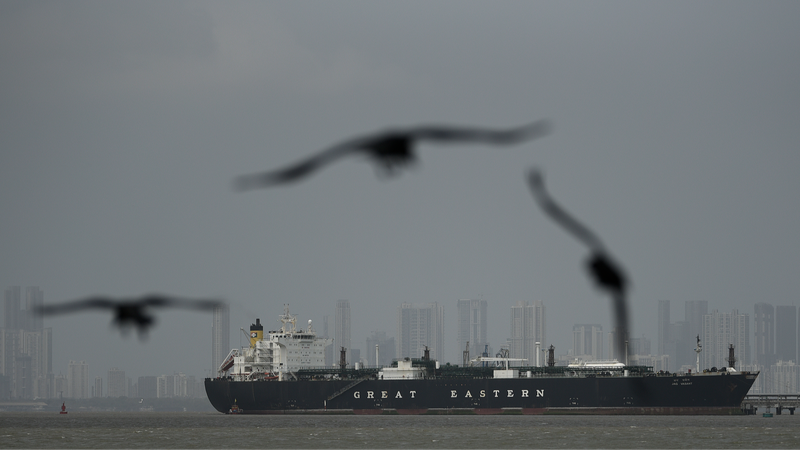
Global trade faces unprecedented strain as maritime activity through the Strait of Hormuz – a vital conduit for 30% of the world's seaborne oil – drops to historic lows, according to a United Nations Conference on Trade and Development (UNCTAD) report released this week. The choke point's paralysis has sent shockwaves through energy markets, with Brent crude prices surging 18% year-to-date.
Asia's manufacturing hubs face particular pressure, with Japanese and South Korean automakers reporting production delays due to disrupted petrochemical shipments. The Chinese mainland's strategic oil reserves, currently at 60 days' supply according to National Food and Strategic Reserves Administration data, may cushion immediate impacts but can't offset long-term price volatility.
UNCTAD analysts warn the crisis could reduce 2026 global GDP growth by 0.8 percentage points if unresolved by Q3. Singapore's Maritime and Port Authority reported a 42% month-over-month decline in tanker transits, while Indian refiners are accelerating negotiations for Russian and U.S. crude alternatives.
Regional tensions remain elevated, with the Islamic Revolutionary Guard Corps conducting naval exercises near Qeshm Island this week. The European Union has proposed joint patrols with ASEAN members to safeguard shipping lanes, though diplomatic sources suggest implementation could take months.