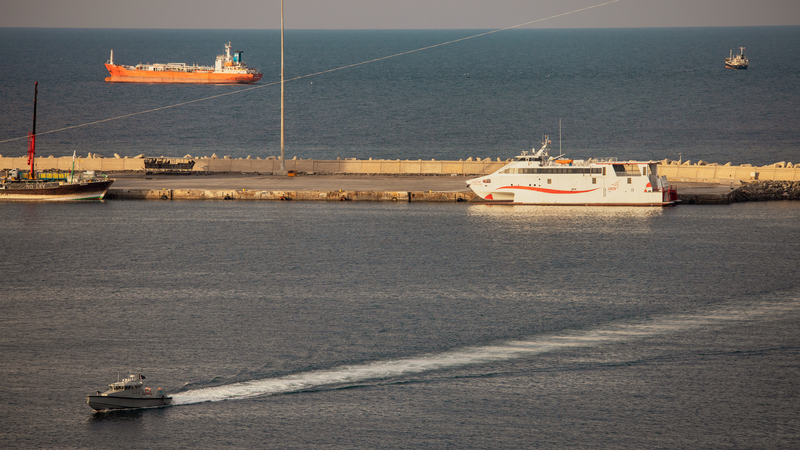
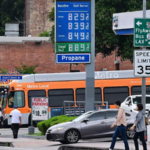
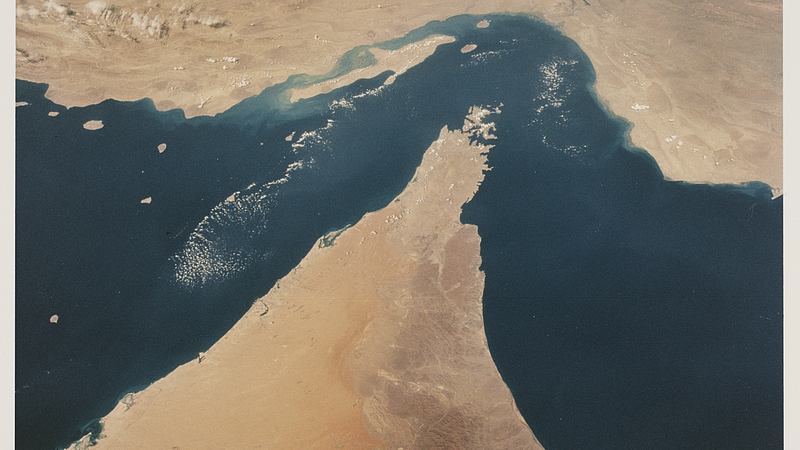
The ripple effects of February's US-Israel joint strike on Iran have tightened their grip on global energy markets, with the Strait of Hormuz disruption causing March 2026 to witness the sharpest oil price surge in over a decade. As 20% of global oil supplies remain constrained, nations worldwide are deploying emergency measures to stabilize their economies.
Croatia Taps Strategic Reserves
Croatian Economy Minister Ante Šušnjar confirmed this week that 35,000 tonnes of diesel – equivalent to four days' national consumption – will be released from mandatory reserves. This marks the first such intervention since 2026 began.
ROK Implements Strict Fuel Rationing
The Republic of Korea escalated its crisis response on April 2, activating Level 3 crude oil security alerts. Starting April 8, Seoul will enforce odd-even vehicle bans for government fleets, expanding previous weekday restrictions.
Malaysia Adopts Radical Conservation
Prime Minister Anwar Ibrahim announced a full government work-from-home mandate effective April 15 – a move expected to reduce public sector fuel consumption by 40% monthly. Private corporations are being urged to follow suit.
Global Domino Effect
India slashed fuel taxes to protect consumers from price shocks, while Australian PM Anthony Albanese warned citizens to prepare for prolonged economic impacts during a rare national address. "This isn't just about today's prices," he stated. "We're facing structural challenges that could reshape energy markets for years."
Analysts predict sustained volatility as governments balance strategic reserves against uncertain conflict timelines. With no immediate resolution in sight, April's energy policies may set precedents for crisis management in the new decade.