Global energy markets face unprecedented volatility as tensions between Iran and Western powers escalate, with oil prices swinging dramatically since late February. As of April 1, 2026, WTI crude fell to $98.19 per barrel and Brent to $100.84 — a 3% single-day drop following a 40–50% surge over the past month.
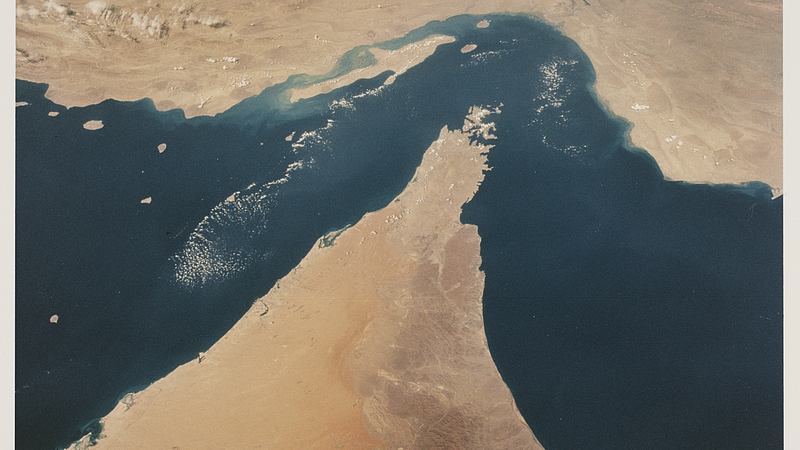
The instability stems from military actions initiated by the US and Israel against Iran on February 28, which triggered retaliatory strikes. Iran’s strategic control of the Strait of Hormuz, a vital conduit for 20 million barrels per day (bpd) of oil and petroleum products, has intensified supply chain disruptions. Approximately 15 million bpd of crude — exceeding total US production — now faces transit risks.
Analysts warn of cascading economic effects, including fertilizer shortages linked to disrupted natural gas supplies. "This isn’t just about oil," said energy strategist Riya Patel. "Every day of uncertainty reshapes global trade routes and inflation forecasts." The conflict’s timing during Asia’s post-pandemic industrial rebound has amplified concerns for businesses and policymakers navigating fragile supply chains.