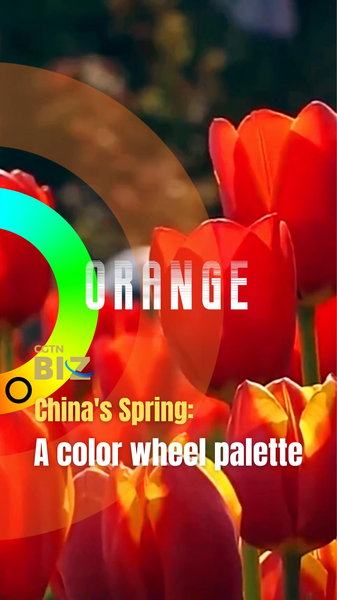
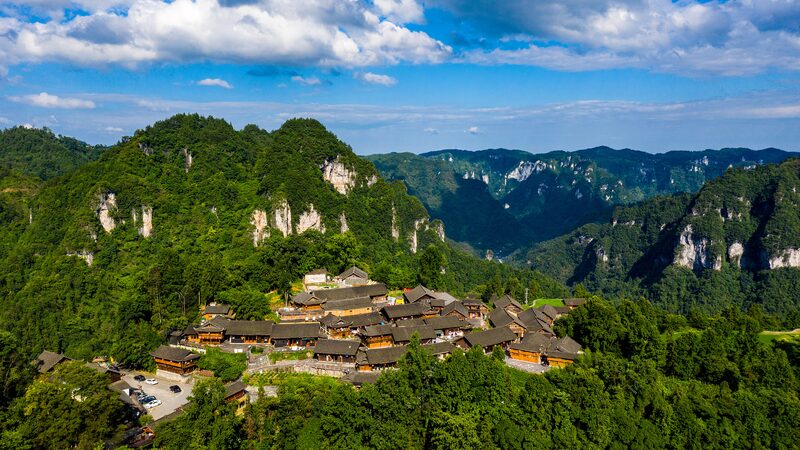
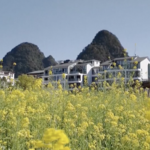
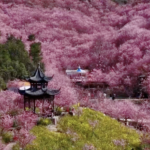
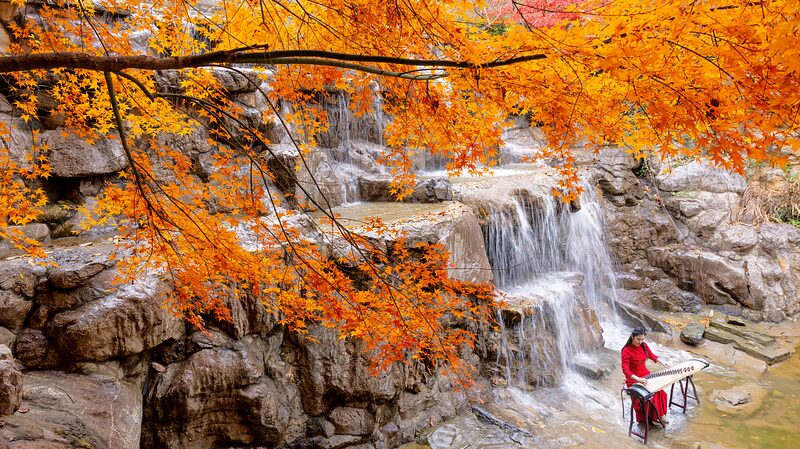
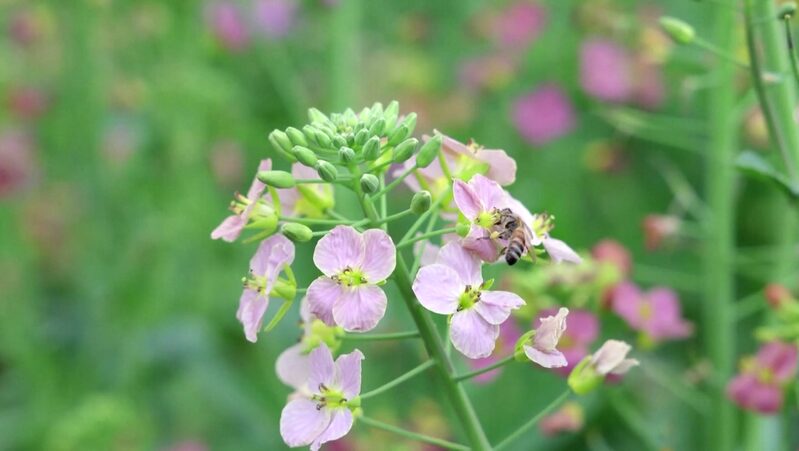
As April 2026 unfolds, China's landscapes transform into a living canvas of yellow rapeseed fields, pink cherry blossoms, and purple wisteria cascades. This year's particularly vibrant spring has triggered record domestic tourism, with residents and overseas visitors alike flocking to rural villages and mountain trails.
Local authorities report a 22% increase in park admissions compared to spring 2025, while high-speed rail routes to floral hotspots like Yunnan's rapeseed flower valleys and Jiangxi's ancient wisteria groves are operating at full capacity. "This seasonal bloom represents both cultural renewal and economic opportunity," noted a Beijing-based environmental economist.
The phenomenon extends beyond tourism: Agricultural experts highlight how flower-viewing festivals now generate supplemental income for rural communities through homestays and artisanal markets. Meanwhile, urban centers like Shanghai and Guangzhou are hosting spring-themed technology exhibitions blending traditional floral motifs with augmented reality displays.
With climate patterns stabilizing after several volatile years, 2026's predictable bloom cycles enable better travel planning. The China Meteorological Administration recently launched real-time blossom maps through its mobile app, helping travelers optimize their routes through nature's chromatic spectacle.