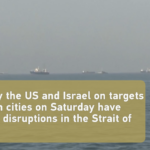
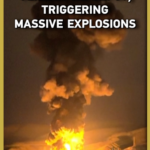
The ongoing Middle East conflict has triggered what analysts describe as a "monumental" structural shift in global oil markets, with sustained attacks on energy infrastructure and heightened risks in the Strait of Hormuz driving unprecedented price volatility. Naveen Das, a prominent energy strategist, emphasized in a recent CGTN Europe interview that markets now view these disruptions as long-term challenges rather than temporary shocks.
Approximately 20% of the world's oil supply passes through the Strait of Hormuz, a critical chokepoint now facing increased security concerns. Recent attacks on pipelines and storage facilities across the region have compounded supply chain pressures, prompting refiners in Asia and Europe to accelerate diversification efforts. "This isn't just about today's prices," Das noted. "We're seeing fundamental recalibrations in energy security strategies worldwide."
For business professionals and investors, the turmoil underscores the urgency of renewable energy transitions while creating both risks and opportunities in traditional energy sectors. Asian economies heavily reliant on Middle Eastern oil, particularly Japan and South Korea, are reportedly fast-tracking strategic reserve expansions and alternative supply agreements.
Academics warn the situation could reshape geopolitical alliances, with energy-importing nations increasingly prioritizing stability over cost considerations. Meanwhile, travelers are advised to monitor potential fuel price impacts on transportation costs as the summer travel season approaches.