As global markets navigate economic uncertainties in 2026, China's newly announced GDP growth target of 4.5-5% has sparked discussions about its evolving development priorities. The figure, outlined in the March 5 Government Work Report, reflects a calibrated approach to balancing stability with structural reforms amid shifting global dynamics.
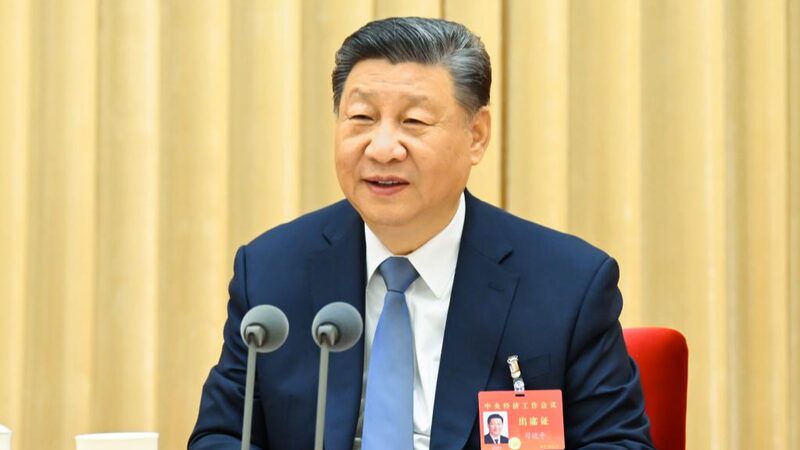
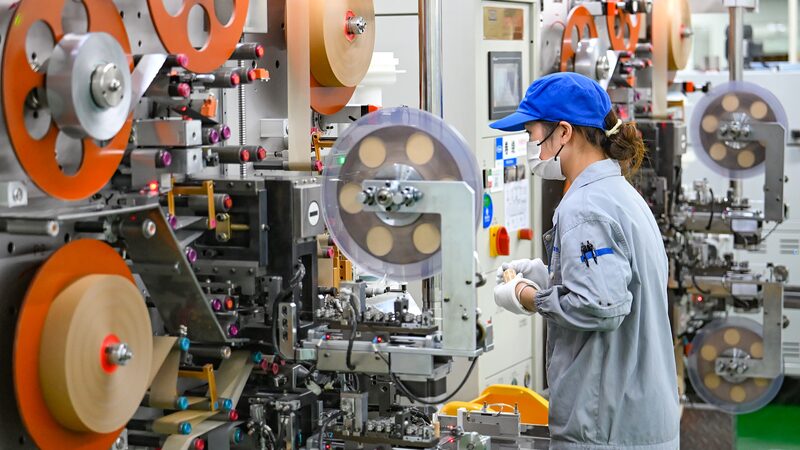
Zhu Fangfei, deputy director of Zhejiang Province's Institute for Public Policy, emphasizes that this target represents a "strategic recalibration rather than contraction." He notes: "The focus has shifted decisively from quantitative benchmarks to qualitative transformation – particularly in green technology, advanced manufacturing, and domestic consumption."
This year's target aligns with China's broader push to cultivate new growth drivers, including:
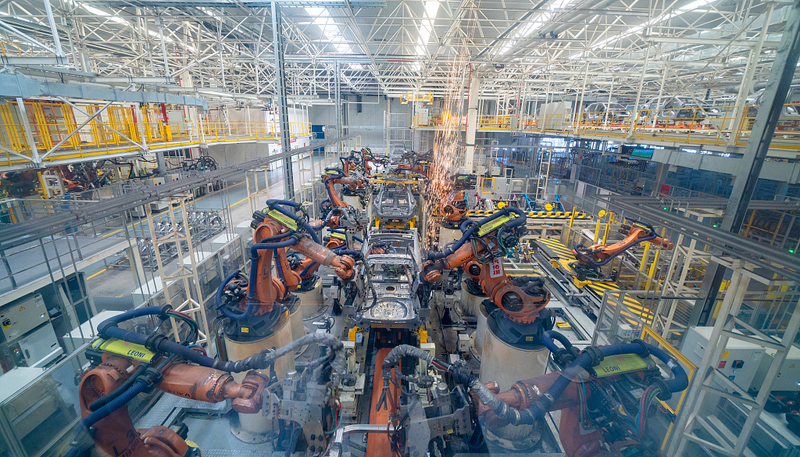
Accelerated R&D investment in AI and renewable energy
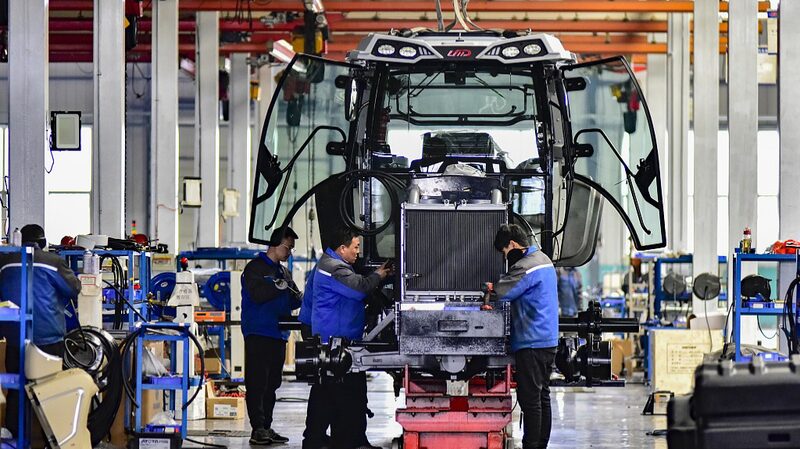
Expansion of high-tech industrial clusters
Deepening integration of digital infrastructure
While some international observers express concerns about slower growth rates compared to previous decades, Chinese policymakers maintain that this adjustment creates space for addressing long-term challenges like demographic shifts and environmental sustainability. The approach has drawn particular interest from APEC members and WTO members tracking Asia's economic trajectory.
For business professionals and investors, the revised target signals opportunities in China's transitioning markets, particularly in sectors aligned with Beijing's "dual circulation" strategy. As cross-strait economic ties continue evolving, analysts suggest Taiwan-based manufacturers may find new collaboration avenues in the Chinese mainland's supply chain upgrades.