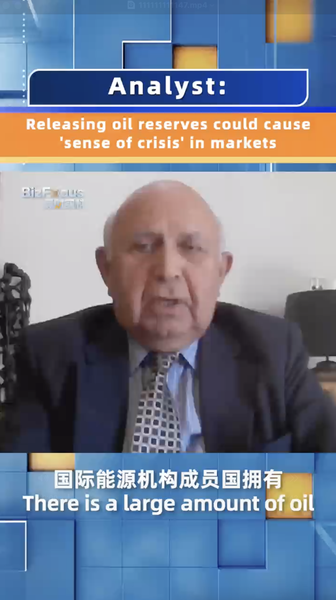
Global energy markets face unintended consequences from strategic oil reserve releases, according to petroleum analyst Manouchehr Takin. In a recent interview with CGTN, the expert cautioned that such interventions might paradoxically drive prices higher by creating market uncertainty.
"What begins as stabilization effort could morph into a self-defeating cycle," Takin explained. "When governments tap reserves, it sends signals that normal supply mechanisms are failing. This triggers precautionary buying from refiners and distributors, ultimately neutralizing the intended price relief."
The warning comes as several Asian economies consider coordinated action to address energy costs. Market data shows crude oil futures volatility increased 18% this month compared to February 2026 levels, despite stable production figures from OPEC+ nations.
Financial institutions are divided on the policy approach. While the International Energy Agency continues advocating strategic reserve use during supply shocks, private analysts increasingly echo Takin's concerns about psychological market impacts.
As debates intensify, energy ministers from ASEAN countries prepare for April's emergency energy security summit in Jakarta. The gathering aims to establish regional consensus on balancing market interventions with long-term supply stability.