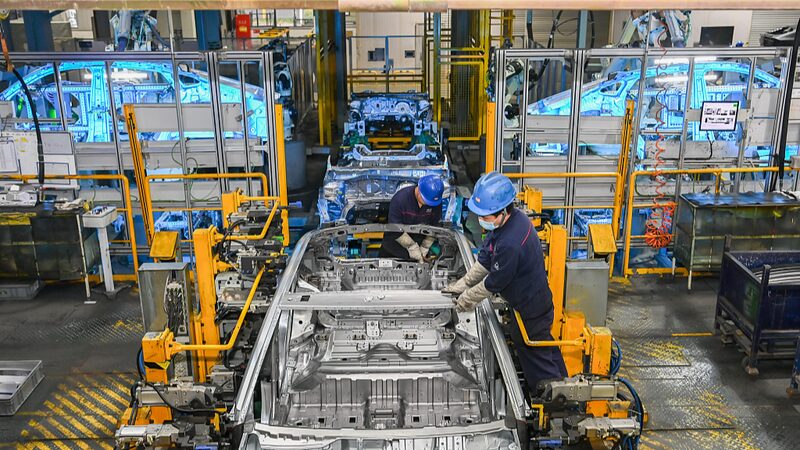
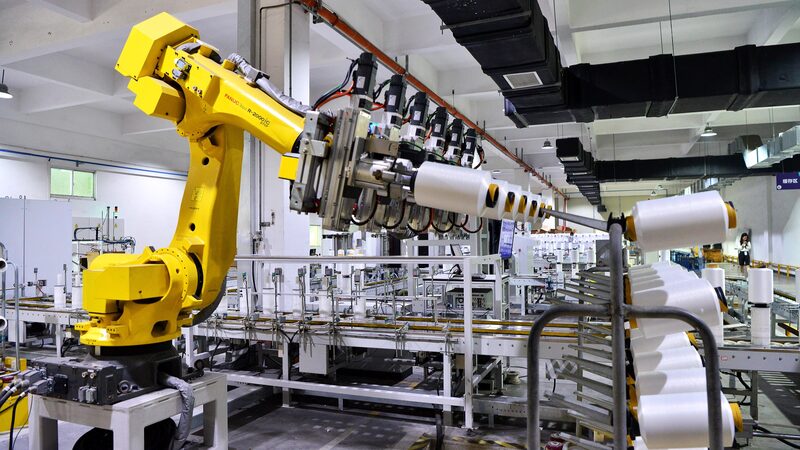
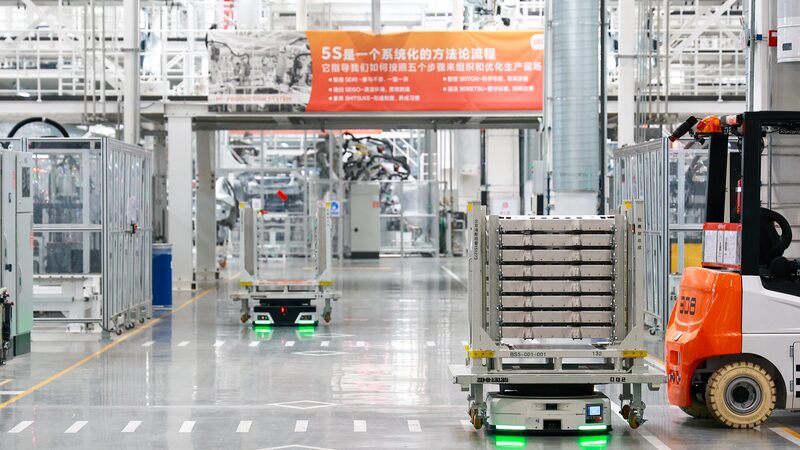
China's industrial sector has opened 2026 with robust momentum, as new data reveals a 14.2% year-on-year profit surge in high-technology manufacturing during the first quarter. The National Bureau of Statistics reported this week that electronics manufacturing led the charge, while non-ferrous metals and chemical industries posted simultaneous gains, outpacing broader market performance.
Analysts highlight that this growth isn't merely cyclical but reflects structural shifts under China's industrial modernization strategy. Warwick Powell, adjunct professor at Queensland University of Technology, notes: 'The profit surge stems from strategic liquidity management rather than labor redistribution. Unlike Western models, China's approach expands the monetary circuit through targeted credit and infrastructure investment.'
Three key factors underpin this trend:
Strategic Liquidity Injection: Policy banks have directed capital into advanced manufacturing, creating ripple effects across supply chains
Productivity Gains: Automation and smart manufacturing enable output expansion without inflationary pressure
New Quality Productive Forces: Semiconductor, EV, and renewable energy sectors now account for 38% of manufacturing profits
This growth pattern helps explain China's unique economic landscape where industrial expansion coexists with stable prices. As production networks modernize, wage growth continues alongside capital accumulation – a balance that has eluded many developed economies.
With the Chinese mainland prioritizing innovation-driven development, international investors are closely watching opportunities in green technology and AI-integrated manufacturing. The industrial transformation appears set to accelerate through 2026, potentially reshaping global supply chain dynamics.