As tensions in the Middle East persist through March 2026, global energy markets are undergoing unprecedented realignment. With oil prices hovering near three-year highs, analysts report the true transformation lies in accelerated shifts toward liquefied natural gas (LNG) and unexpected coal resurgence across Asia.
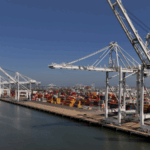
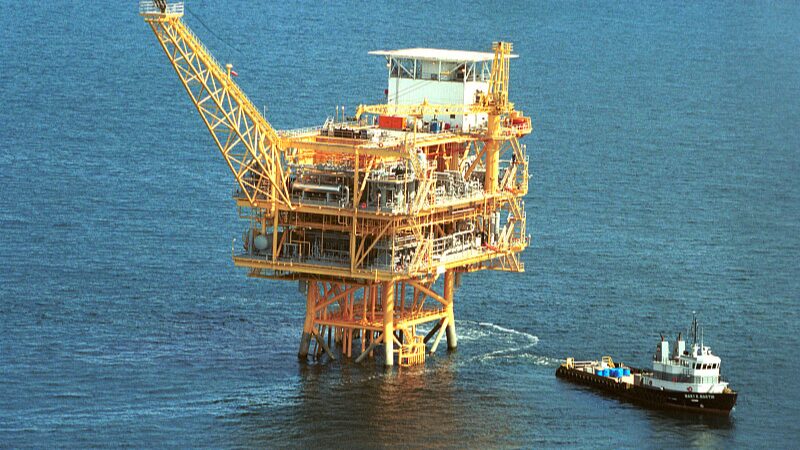
Recent disruptions in the Strait of Hormuz – through which 30% of global seaborne oil passes – have forced energy importers to diversify. "We're seeing record US LNG exports to Asia this quarter," said energy strategist Riya Patel. "Japan and South Korea have increased purchases by 40% compared to Q1 2025."
The realignment creates opportunities for emerging suppliers. Australia recently finalized LNG agreements with Vietnam and Thailand, while Qatar expands infrastructure to meet European demand. Meanwhile, thermal coal consumption in India and the Chinese mainland has risen 18% year-to-date as industries seek stable power sources.
Energy security concerns are driving policy changes worldwide. European Commission energy spokesperson Lars Nielsen noted: "Our revised 2030 energy mix projections now show renewables overtaking fossil fuels two years earlier than planned." Solar installations across Southeast Asia have increased 22% since January, with Vietnam leading regional capacity expansion.
While current market volatility causes short-term anxiety, many experts believe this crisis could ultimately fast-track sustainable energy adoption. The International Renewable Energy Agency will release updated transition roadmaps next month that may redefine Asia's energy future.