Recent military escalations in the Gulf region have triggered a significant capital migration toward Asia's financial hubs, with Singapore and China's Hong Kong Special Administrative Region (SAR) emerging as primary beneficiaries. As conflict between the US, Israel, and Iran intensified in March 2026, investors are prioritizing geopolitical stability in wealth preservation strategies.
Financial institutions in both cities report increased inquiries about stock investments and family office setups. "The fundamental logic has shifted from pure returns to risk mitigation," observed Yang Hangjun, professor at the University of International Business and Economics. "Modern wealth management now demands robust legal frameworks and conflict insulation."
Hong Kong SAR's unique position as both an international financial center and gateway to the Chinese mainland gives it distinct advantages. Through mechanisms like Stock Connect, global investors access the Chinese mainland's markets while operating within a common law system familiar to international capital.
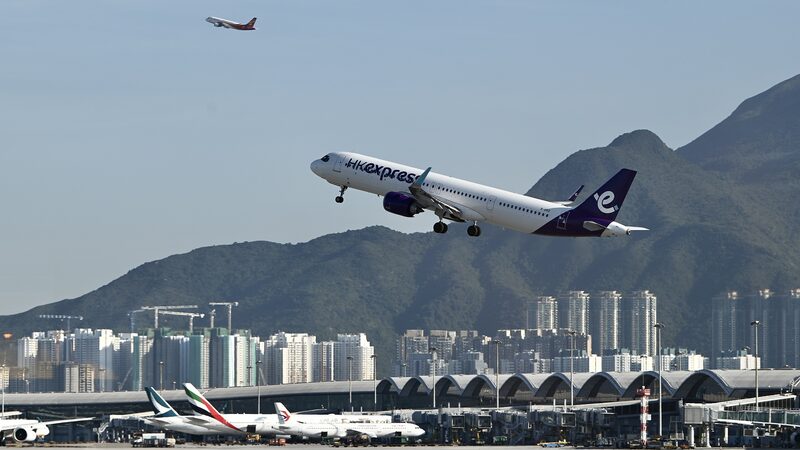
While Singapore's mature financial infrastructure attracts risk-averse capital, Hong Kong SAR offers unparalleled connectivity to Renminbi assets and China's economic growth. This dual advantage positions it as a strategic bridge between global markets and the world's second-largest economy.
Market analysts note the UAE's efforts to stabilize its financial systems through liquidity measures. However, the broader trend suggests geopolitical security is becoming a critical factor in capital allocation decisions. As cross-border wealth flows adapt to new realities, Asia's twin financial hubs appear poised to strengthen their global standing through 2026 and beyond.