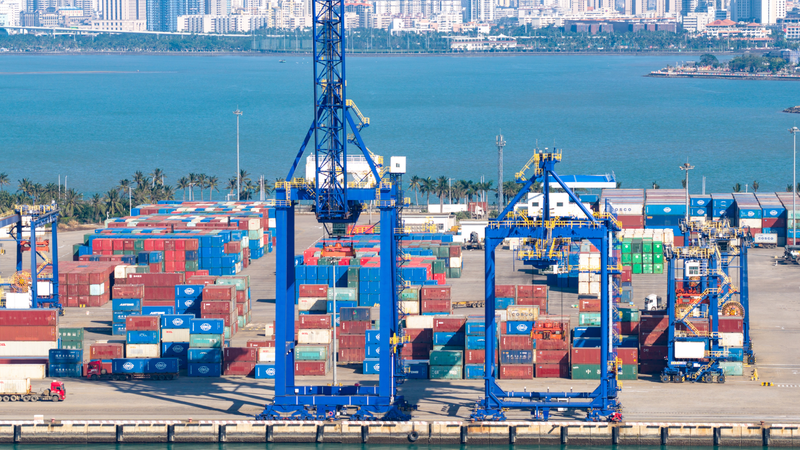
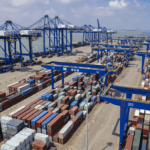
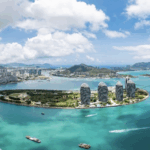
The Hainan Free Trade Port (FTP) has emerged as a transformative force in China's economic strategy, with its island-wide special customs operations reshaping the nation's approach to global integration. Since their launch in late 2025, these reforms have accelerated institutional innovation while maintaining robust regulatory frameworks.
From Experimental Zone to Global Gateway
Transitioning from a regional pilot program to a national strategic asset, the FTP has expanded zero-tariff coverage from 21% to 74% of goods categories. This policy shift now enables tariff-free mainland access for products undergoing 30% value-added processing in Hainan, attracting multinational corporations and domestic enterprises alike.
Economic Impact and Business Growth
The simplified customs regime has spurred commercial activity across sectors, with eligible beneficiaries expanding to include all enterprise types. This year's legislative reforms have codified 12 key regulations, creating a stable environment for foreign and overseas investors while testing new governance models for nationwide replication.
Balancing Openness With Oversight
The 'first-line liberalization, second-line regulation' framework demonstrates China's commitment to high-standard international trade practices. Recent infrastructure developments in customs clearance systems and cross-border data flows position Hainan as a testing ground for next-generation trade mechanisms.