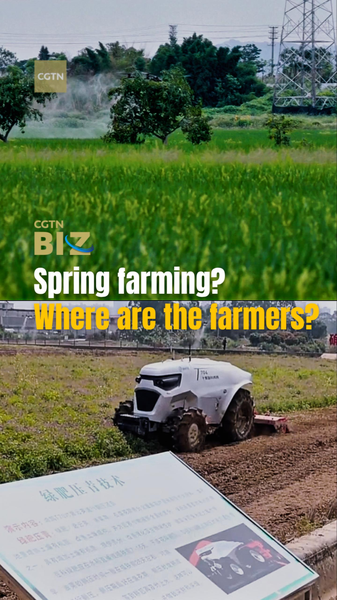
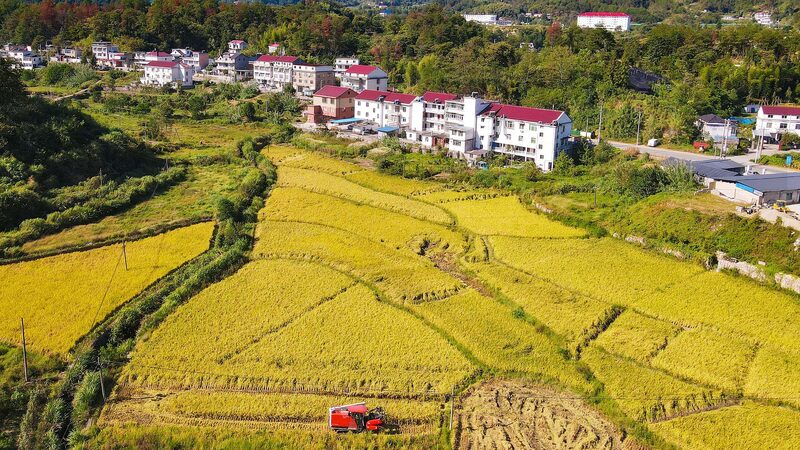
As spring planting season begins across the Chinese mainland, rural landscapes tell a story of technological revolution. Vast fields hum with activity from self-driving tractors plotting perfect crop rows, drone swarms administering precise pesticide doses, and smart irrigation systems adjusting water flow via real-time soil sensors – all monitored remotely through digital dashboards.
This year's agricultural transformation addresses multiple challenges: With 65% of China's rural workforce now employed in urban industries, automated systems maintain food security while boosting yields. The technology-driven approach also supports Beijing's carbon neutrality goals through optimized resource use.
Agricultural experts highlight three key developments in 2026:
AI-powered decision systems analyzing weather patterns and commodity prices to recommend crop choices
5G-connected farm networks enabling real-time coordination between machinery
Blockchain integration for transparent supply chain tracking from field to market
While initial investments remain high, provincial governments are subsidizing smart farming packages to help smallholders transition. The shift is drawing interest from Southeast Asian nations seeking sustainable agriculture models, with several APEC members initiating technology-sharing programs this planting season.