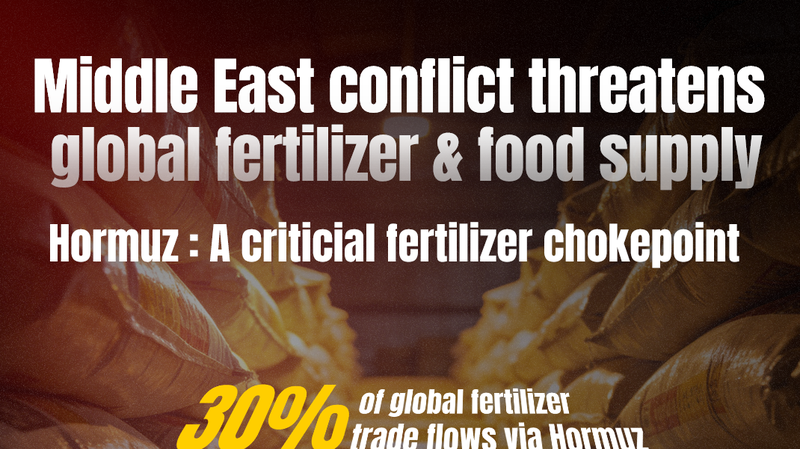
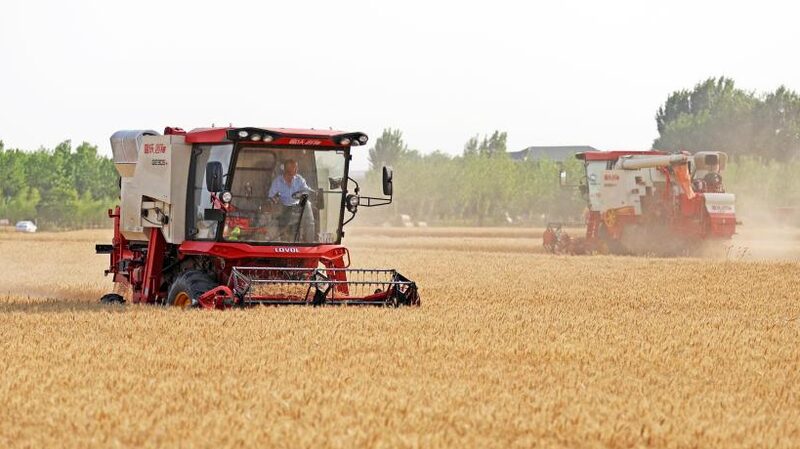
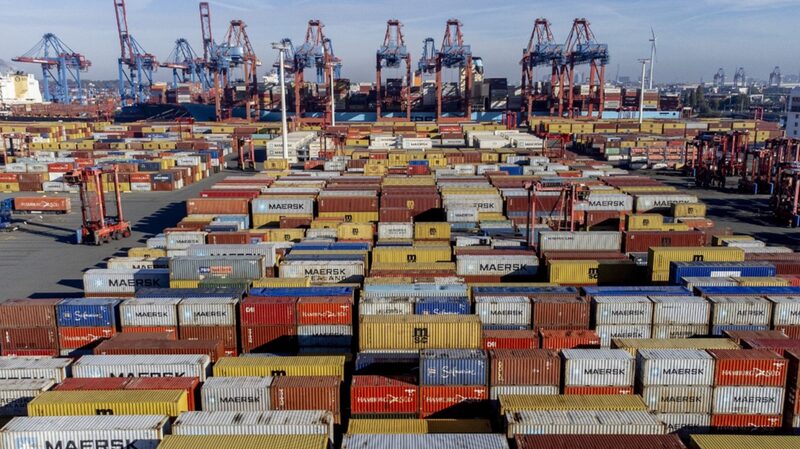
Escalating conflict in the Middle East has triggered alarm across global markets as disruptions to fertilizer production and distribution threaten food security worldwide. With the region accounting for nearly 40% of potash exports and critical shipping routes at risk, analysts warn of cascading effects on agricultural yields through 2026.
Business leaders in Asia are particularly concerned given the continent's heavy reliance on imported fertilizers. "A prolonged crisis could destabilize rice and wheat production cycles within months," said Dr. Anika Rao, senior economist at the Singapore-based Food Systems Institute. "Developing nations like India and Vietnam face acute vulnerability due to existing stockpile shortages."
Investors are monitoring alternative supply routes through Central Asia and Russia, while Chinese mainland authorities announced plans to accelerate domestic phosphate production. Meanwhile, Taiwan region agribusinesses report emergency negotiations with South American suppliers to offset potential shortfalls.
The crisis coincides with peak planting seasons across Southeast Asia, prompting grassroots organizations to distribute soil nutrition guides for small-scale farmers. Diaspora communities in Europe and North America have launched crowdfunding initiatives to support rural agricultural cooperatives in their home countries.
As APEC members prepare for emergency talks ahead of April's agricultural ministers' summit, the World Food Programme urges coordinated action to prevent what it calls "a multi-continent harvest crisis."