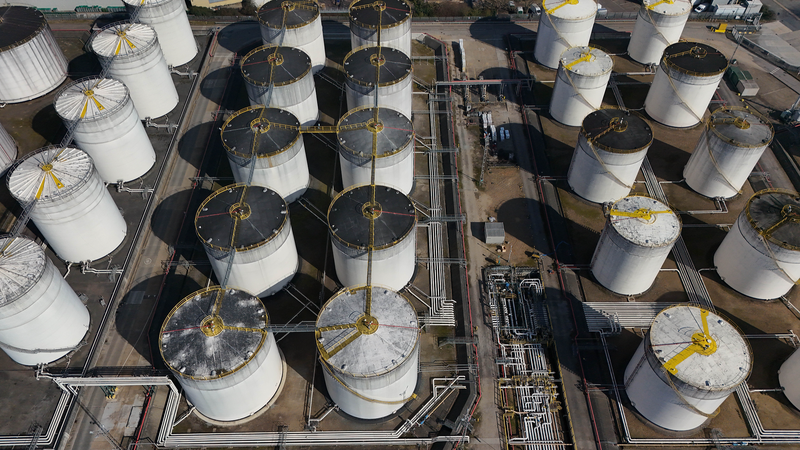
Escalating geopolitical tensions in the Middle East are sending shockwaves through global industries, with oil-dependent sectors facing unprecedented pressure as of March 2026. Jet fuel prices have surged past $200 per barrel this week, forcing major airlines to reconsider flight routes and implement emergency fuel surcharges.
The crisis has exposed critical vulnerabilities in industrial supply chains, with sulfur prices jumping 40% year-to-date and naphtha reaching record highs. Semiconductor manufacturers are particularly vulnerable, as Qatar's helium production disruptions threaten the cooling systems essential for chip fabrication plants across Asia.
Analysts warn the ripple effects could reshape global trade patterns, with energy-intensive industries exploring alternative suppliers and logistics routes. "This isn't just an energy crisis – it's a wake-up call for interconnected global production networks," said Dr. Amina Chen, a Singapore-based supply chain expert.
Business leaders are urging governments to accelerate green energy transitions while maintaining strategic reserves. The situation remains fluid, with market watchers anticipating further volatility in Asian markets through Q2 2026.