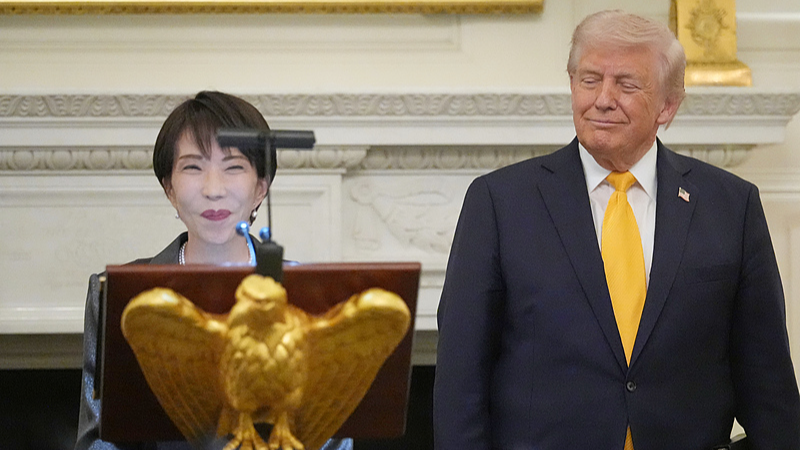
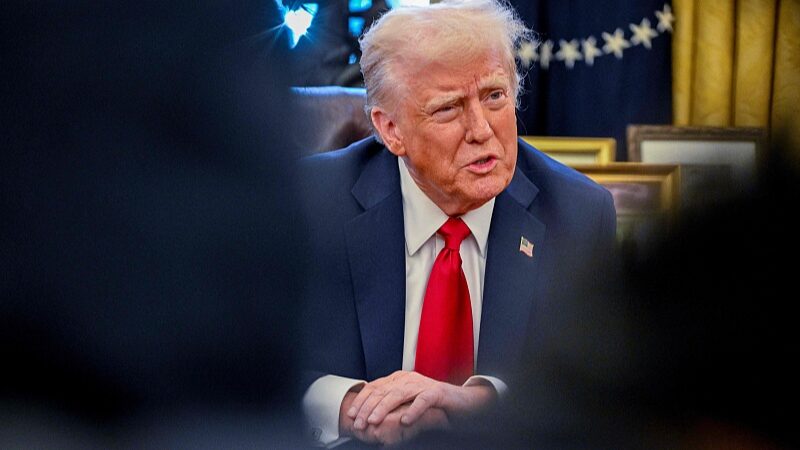
Japanese Prime Minister Sanae Takaichi and US President Donald Trump announced a $73 billion energy investment package this week, building on their 2025 bilateral trade agreement. The deal includes small modular nuclear reactors in Tennessee and Alabama, along with natural gas plants in Pennsylvania and Texas – all framed as job creation initiatives ahead of November's US midterm elections.
A Strategic Partnership with Political Undertones
While touted as an energy security measure for Japan, analysts note only 3.8% of Tokyo's oil imports came from the US in 2025. The investments primarily address American infrastructure needs rather than immediate Japanese energy demands. This follows last month's $36 billion commitment, part of a $550 billion umbrella agreement signed in July 2025.
Economic Realities Cast Doubt
Several challenges threaten implementation:
US manufacturing output has declined 2.4% since 2017 baseline levels
Japan's annual US investment averages $10 billion historically
Current oil prices strain Japanese corporate profits
Daiwa Securities warns every $10 oil price increase costs Japan 3.3 trillion yen ($22 billion), raising questions about funding capacity.
Tariff Sword Still Hangs
Despite Japan's compliance, the US maintains 15% tariffs under Section 122 measures. February's Supreme Court rejection of reciprocal tariffs forced Washington into broader trade restrictions, maintaining pressure on allies.
While both leaders gain political capital, the deal's commercial viability remains uncertain. As one Tokyo-based analyst noted: 'These announcements serve immediate diplomatic needs, but real economic impacts will take decades to materialize – if ever.'