Perfect Storm of Energy Costs and Currency Weakness Tests Tokyo's Economic Resolve
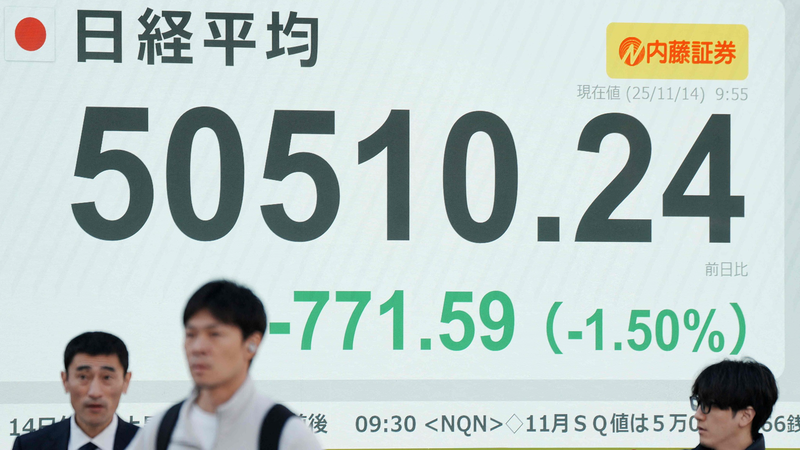
As Middle East tensions escalate in March 2026, Japan faces a unique economic challenge where soaring oil prices intersect with a weakening yen, creating what analysts call a "double multiplier effect" on inflation. The nation's heavy reliance on imported energy – particularly Middle Eastern crude – leaves it vulnerable as geopolitical risks drive up global energy costs while currency depreciation amplifies the pain.
The Vicious Cycle
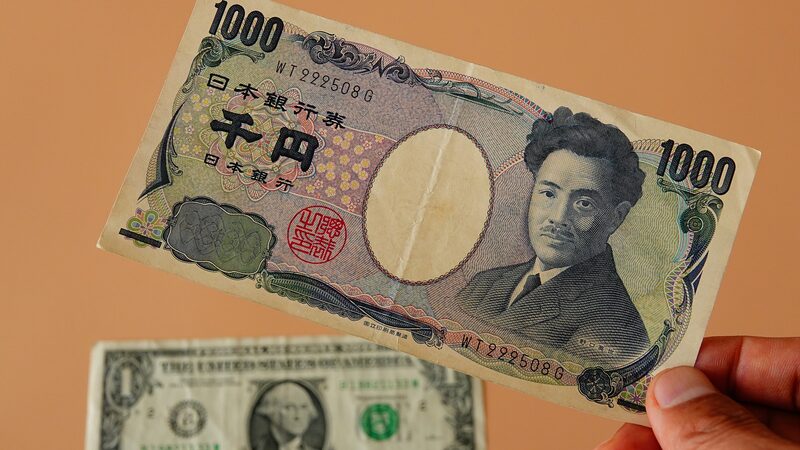
With Brent crude hovering near $120/barrel and the yen trading at 152 against the U.S. dollar, Japanese households and businesses face mounting pressure. Energy-intensive industries report input costs rising 18% year-to-date, while consumer electricity bills have increased 22% compared to 2025 levels. The Bank of Japan's delicate policy normalization efforts now confront stagflationary pressures – rising prices coupled with stagnant demand.
Monetary Policy Tightrope
Central bank officials face their toughest balancing act since the pandemic era. "Not all inflation is created equal," notes Renmin University's Professor Li Haoran. "When price rises stem from currency-driven import costs rather than organic demand, it creates policy paralysis." Market watchers predict the BOJ may accelerate bond yield curve control adjustments before Q2 2026.
Fiscal Credibility Test
Prime Minister Sanae Takaichi's 21.3 trillion-yen stimulus package faces scrutiny as investors question funding mechanisms. While temporary food tax cuts provide household relief, analysts warn sustained measures could push Japan's debt-to-GDP ratio beyond 270%. The government must demonstrate fiscal discipline while addressing immediate cost-of-living crises.
Global Implications
As Asia's second-largest economy navigates these challenges, regional supply chains face potential disruptions. Automotive and electronics manufacturers are activating contingency plans, while overseas investors monitor Japan's response as a potential blueprint for managing energy-currency stagflation scenarios.