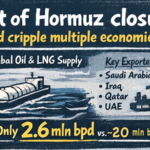
Japan's economic stability faces unprecedented challenges as escalating tensions in the Middle East disrupt critical oil shipments through the Strait of Hormuz. With over 90% of its crude oil imports historically sourced from the region, the blockade has sent shockwaves through the world's third-largest economy.
"The energy price surge is translating directly into higher production costs and consumer prices," said Cai Guiquan, associate research fellow at the Chinese Academy of International Trade and Economic Cooperation. "This dual pressure is creating significant strain on household budgets and industrial output simultaneously."
Recent government data shows inflation reaching 4.2% year-on-year in February 2026 – the highest level in four decades. Transportation costs have risen 18% since January, while electricity prices jumped 22% across major urban centers.
Analysts suggest the crisis could not have come at a worse time for Japan, which was still recovering from pandemic-related supply chain disruptions. The yen's continued weakness against the US dollar has exacerbated import costs, with energy traders reporting spot prices for Middle Eastern crude reaching $138 per barrel this week.
Prime Minister Fumio Kishida's administration has announced emergency measures including fuel subsidies and strategic reserve releases. However, economists warn these are temporary solutions to structural vulnerabilities in Japan's energy security framework.