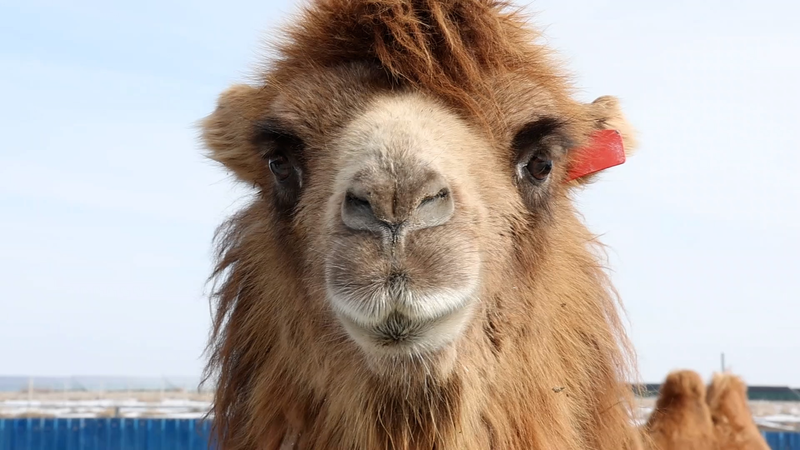
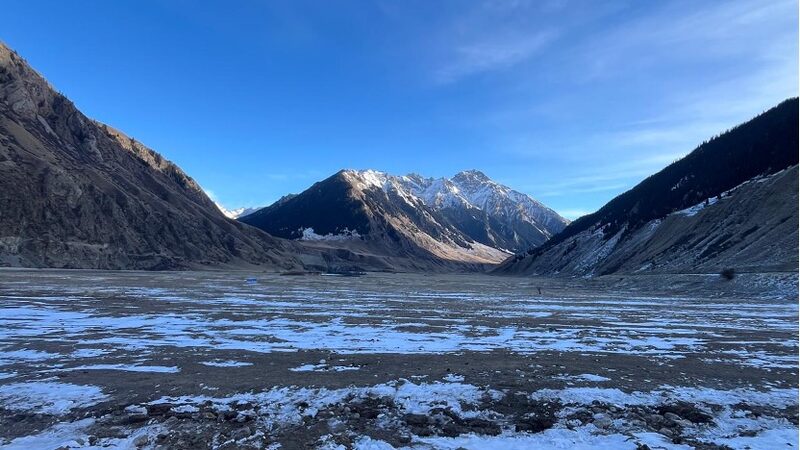
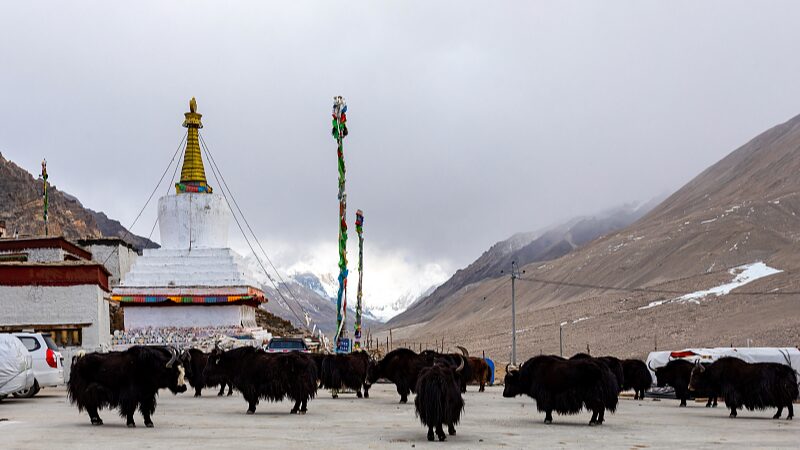
As spring arrives in the Xinjiang Uygur Autonomous Region, Fukang City's vast grasslands buzz with activity during the peak camel calving season. With 6,000 newborn camels joining herds this month, the region's 21,000-strong camel population is driving unprecedented economic opportunities for local residents.
The thriving industry, supported by government infrastructure investments in land development and energy systems, has enabled large-scale breeding operations. Nearly 75% of Fukang's camels are breeding females, with their nutrient-rich milk becoming a cornerstone of regional economic development.
Local authorities report camel milk production has increased 40% since 2025, creating hundreds of new jobs in animal husbandry and dairy processing. "This growth directly translates to better livelihoods," says a regional agricultural official, noting average herder incomes have risen 25% year-on-year.
With 2026 sales projected to surpass 760 million yuan ($105 million), Fukang's camel industry exemplifies China's rural revitalization strategy. The sector's expansion continues attracting investment while preserving traditional Uygur pastoral practices, creating a sustainable model for arid region development.