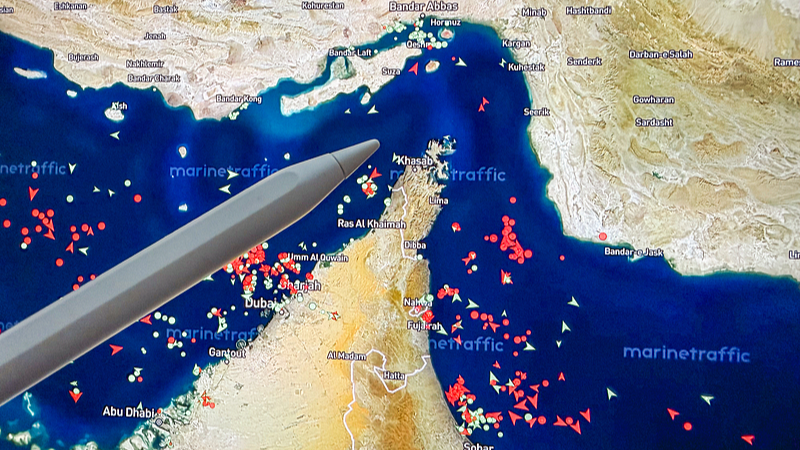
The International Maritime Organization (IMO) convened an emergency session this week to address escalating disruptions in the Strait of Hormuz, where geopolitical tensions have transformed one of the world's most vital trade routes into a flashpoint with global consequences.
A Chokepoint in Crisis
Since Iran imposed a navigation ban on March 3 following U.S.-Israel coordinated strikes, daily crude oil shipments through the 50-kilometer waterway have dropped 90% from pre-conflict levels of 20 million barrels. Over 3,200 commercial vessels and 20,000 crew members remain stranded west of the strait as major carriers like Maersk and MSC reroute ships around Africa's Cape of Good Hope.
Ripple Effects Across Industries
IMO Secretary-General Arsenio Dominguez warned that extended shipping disruptions could destabilize global food security and energy markets. Maritime logistics costs have already surged 40% this month according to industry analysts, with fertilizer and liquefied natural gas shipments particularly affected. The UN Food and Agriculture Organization notes that prolonged delays could impact agricultural production cycles worldwide.
Human Cost of Conflict
At least seven seafarers have been killed in attacks on merchant vessels since late February, Dominguez confirmed during the London meeting. "Civilian shipping must never become collateral damage in geopolitical disputes," he stated, calling for immediate de-escalation measures. With 33% of global seaborne oil trade normally transiting the strait, economists warn that sustained disruptions could shave 0.8% off worldwide GDP growth this year.