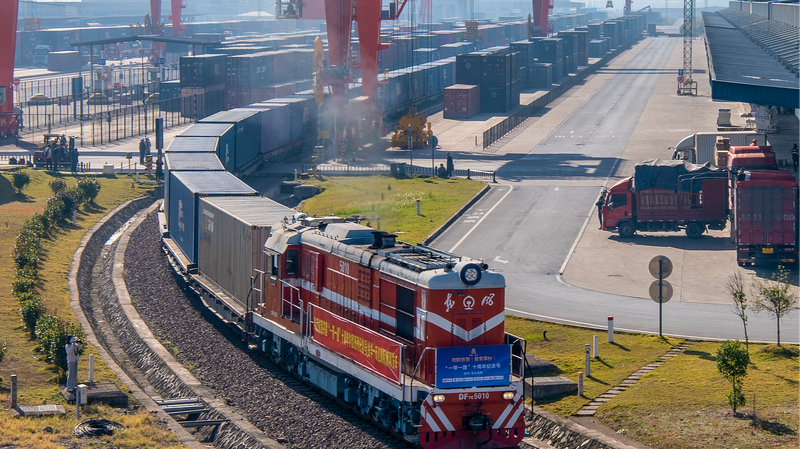
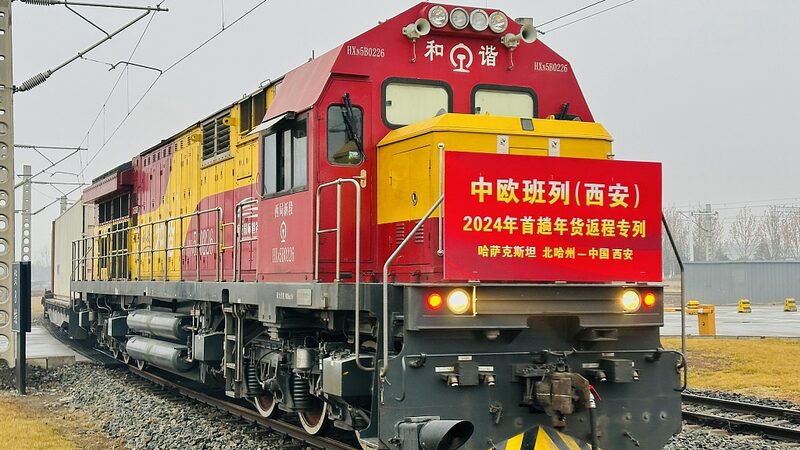
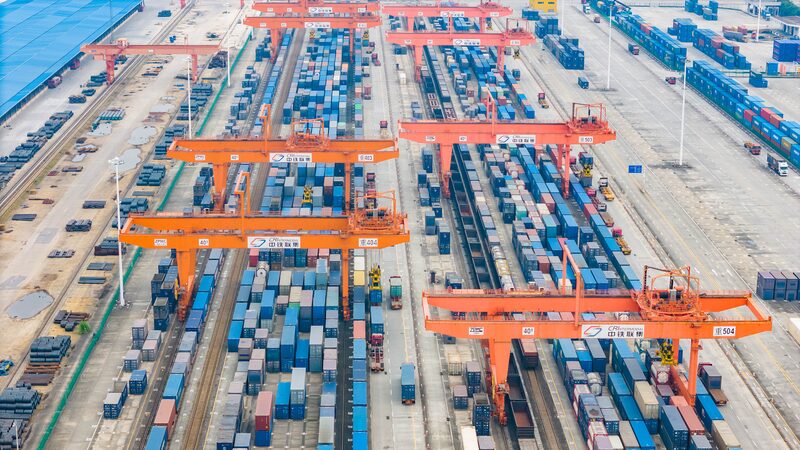
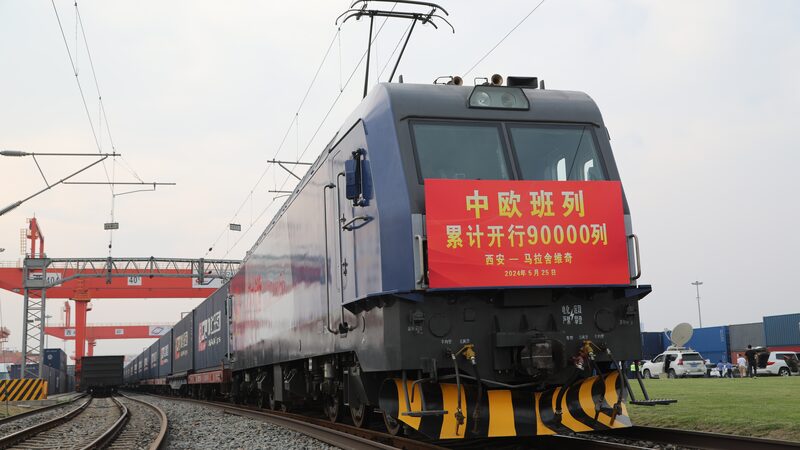
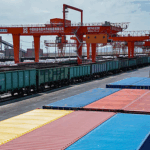
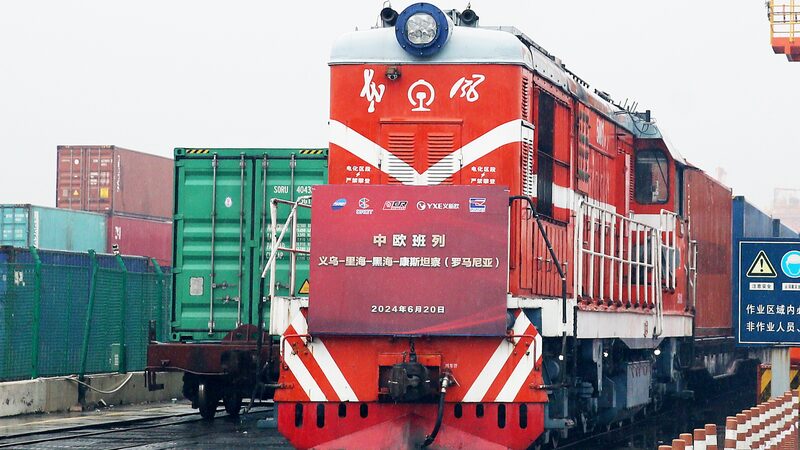
China-Europe freight trains have emerged as a vital trade artery, surpassing 120,000 cumulative trips since their inception while transporting goods worth over $490 billion. This cross-continental network now links more than 300 cities across Eurasia, serving as a key driver of economic cooperation in 2026.
The New Silk Road in Numbers
Recent data reveals the scale of this modern trade phenomenon: daily departures have increased 46% since 2023, with electronics, automotive parts, and renewable energy components dominating westbound shipments. Eastbound trains carry European machinery, pharmaceuticals, and agricultural products to Asian markets.
Economic Impact Amplified
The rail network has created 85,000 logistics-related jobs in the Chinese mainland and European partner countries this year alone. Analysts credit the service with maintaining stable supply chains during recent global disruptions, particularly for time-sensitive industrial goods.
Future Expansion Plans
Chinese authorities announced plans to add 15 new routes by late 2026, focusing on connecting secondary manufacturing hubs. A $2.1 billion investment in smart logistics centers along key routes aims to reduce transit times by 12% through AI-powered scheduling systems.
As the world navigates evolving trade patterns, these steel caravans continue rewriting the rules of global commerce, proving that old-world transportation methods can power 21st-century economic growth.