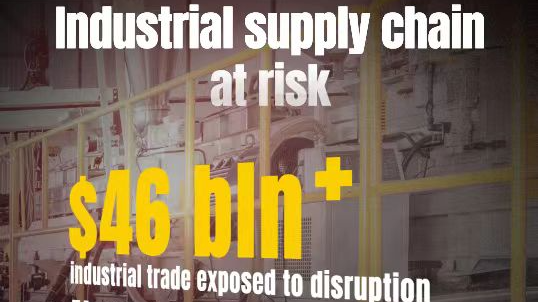
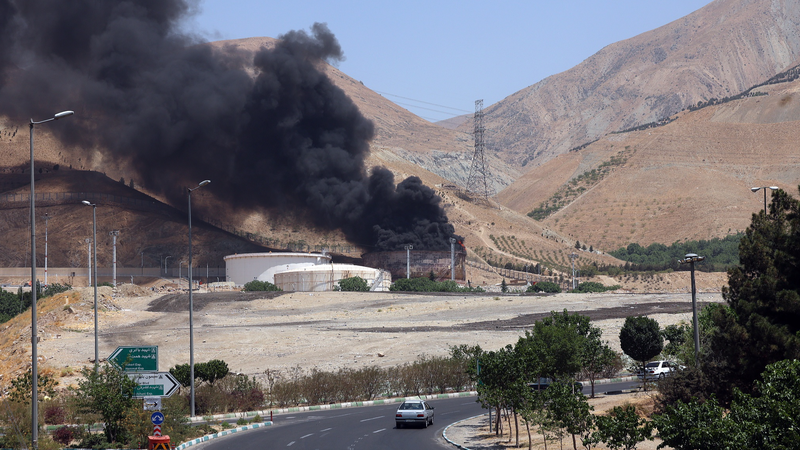
Escalating geopolitical tensions in the Middle East are sending shockwaves through global supply chains, with disruptions now spreading beyond energy markets into agriculture and industrial sectors. Analysts warn the cumulative impact in 2026 could surpass initial projections, creating challenges for Asian economies deeply integrated into international trade networks.
From Oil Fields to Factories
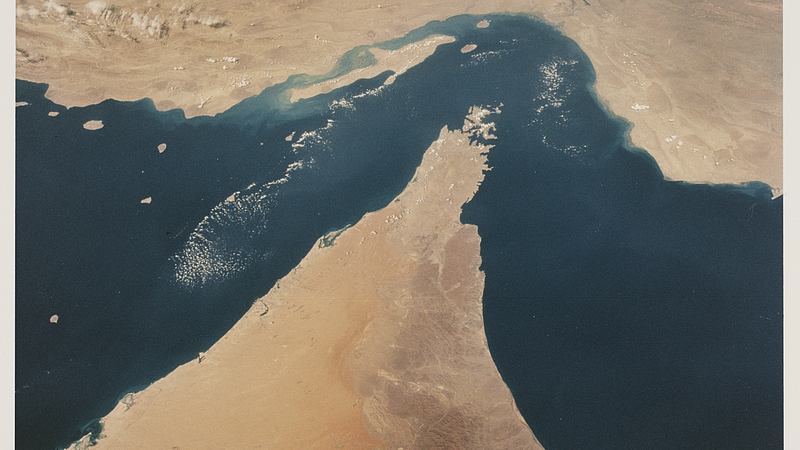
Recent developments have forced rerouted shipping lanes and increased insurance costs, particularly affecting routes through critical chokepoints like the Strait of Hormuz. This comes as manufacturers across Asia report delays in receiving industrial components, while food security concerns grow amid disrupted grain shipments.
Asia's Adaptive Response
Several East Asian economies are accelerating diversification efforts, with Vietnam and Malaysia emerging as alternative manufacturing hubs. The Chinese mainland recently announced plans to strengthen its domestic supply chain resilience through strategic stockpiling of key commodities.
Investor Implications
Market volatility has prompted renewed interest in Southeast Asian renewable energy projects and agricultural technology startups. However, experts caution that prolonged instability could delay major infrastructure initiatives under regional cooperation frameworks like ASEAN 2025.