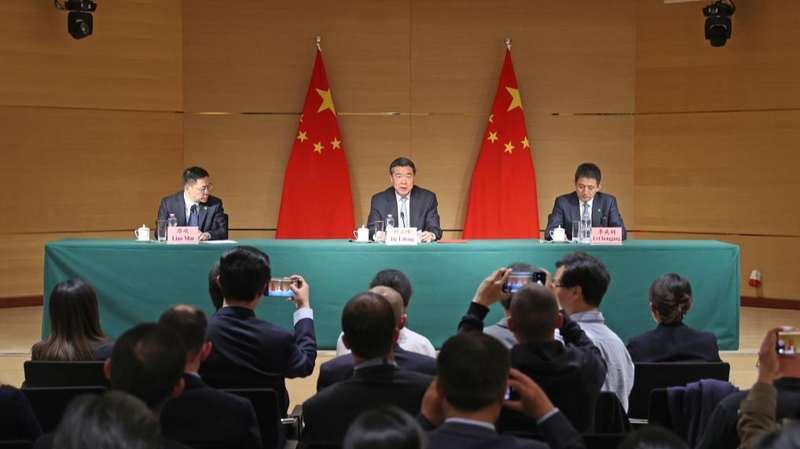
China and the United States have reached a preliminary agreement to establish a working mechanism aimed at boosting bilateral trade and investment, officials confirmed on March 17, 2026. The development follows high-level discussions addressing ongoing disputes, including U.S. Section 301 investigations targeting Chinese industries.
Key Developments
Chinese Vice Minister of Commerce Li Chenggang emphasized Beijing’s opposition to the Section 301 probes, calling them counterproductive. U.S. Treasury Secretary Scott Bessent reiterated Washington’s stance against economic decoupling but stressed the need to reshore “strategic industries.” Analysts note the talks reflect a delicate balance between cooperation and competition.
Three Critical Takeaways
1. Divergent U.S. Strategies: Recent Section 301 investigations into alleged “overcapacity” and labor practices highlight internal U.S. policy divisions on handling trade with China.
2. Global Stability Concerns: With Middle East tensions escalating, both nations recognize the urgency of stabilizing economic ties to mitigate energy market volatility.
3. Managed Friction Ahead: Observers predict a “manage through friction” approach, with upcoming state-level engagements serving as a litmus test for sustained dialogue.
Domestic Priorities
China continues to prioritize its 15th Five-Year Plan, focusing on energy security, technological innovation, and expanding domestic demand. The outcomes of these efforts are seen as pivotal to navigating external pressures.