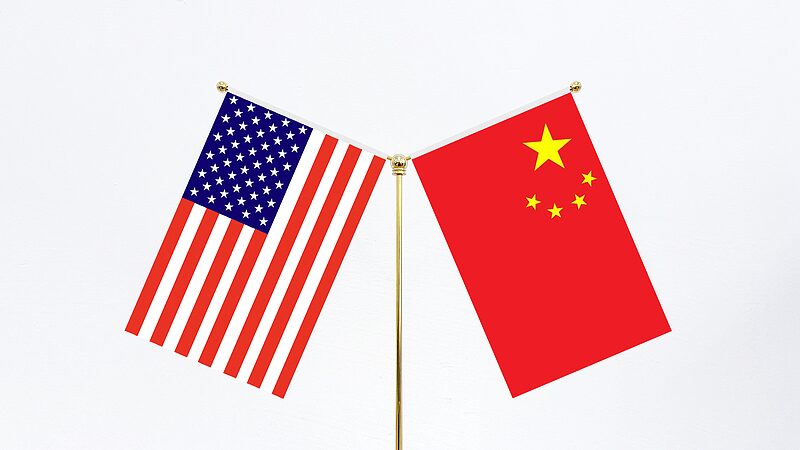
The latest round of China-U.S. economic talks in Paris concluded this week with a notable shift toward institutionalizing bilateral investment cooperation. While tariff negotiations dominated headlines, analysts highlight the agreement to study a formal investment mechanism as a critical step toward stabilizing relations between the world’s two largest economies.
Unlike trade flows, which remain vulnerable to geopolitical shifts, cross-border investments – from manufacturing plants to joint research ventures – create deeply interconnected economic interests. The proposed mechanism could provide businesses in both nations with clearer frameworks for long-term capital commitments, fostering job creation and innovation. “Investment thrives on predictability,” noted one observer. “This dialogue signals a move away from transactional disputes toward shared priorities.”
While details remain undefined, the focus on investment aligns with broader efforts to de-escalate tensions. In 2026, both economies face overlapping challenges, including sluggish global growth and supply chain realignments. A functional investment partnership could help mitigate these pressures while reinforcing Asia’s role as a stabilizing force in international markets.
For investors, the talks underscore opportunities in sectors like clean energy and advanced manufacturing, where U.S. and Chinese firms increasingly collaborate. However, experts caution that translating intent into action will require sustained political will on both sides of the Pacific.