Escalating geopolitical tensions in the Middle East, driven by recent clashes involving US-Israeli forces and Iran, are reshaping the US economic landscape as oil prices surge above $100 per barrel. Analysts warn of renewed inflationary pressures and supply chain risks, prompting major investment banks to downgrade growth forecasts for 2026.
Energy Shocks and Economic Crossroads
Brent crude's rally to triple-digit territory has revived concerns about stagflation, with February's 2.4% annual CPI growth exceeding Federal Reserve targets. The US unemployment rate edged up to 4.4% last month, while Q4 2025 GDP growth slowed sharply to 1.4%—down from 4.4% in the previous quarter.
Markets Brace for Prolonged Volatility
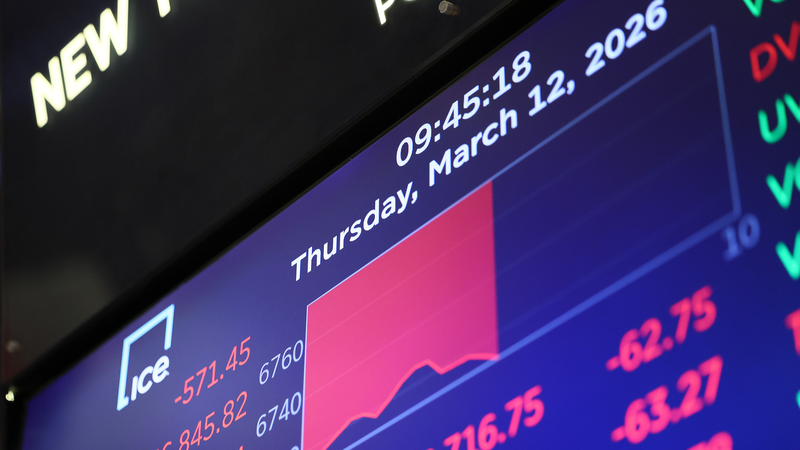
Wall Street suffered steep losses this week, with the S&P 500 dropping 1.52% and the Nasdaq plunging 1.78% on Thursday. Bond yields climbed as Goldman Sachs delayed its projected Fed rate cut timeline to September and December, citing energy-driven inflation risks.
Policy Dilemma Intensifies
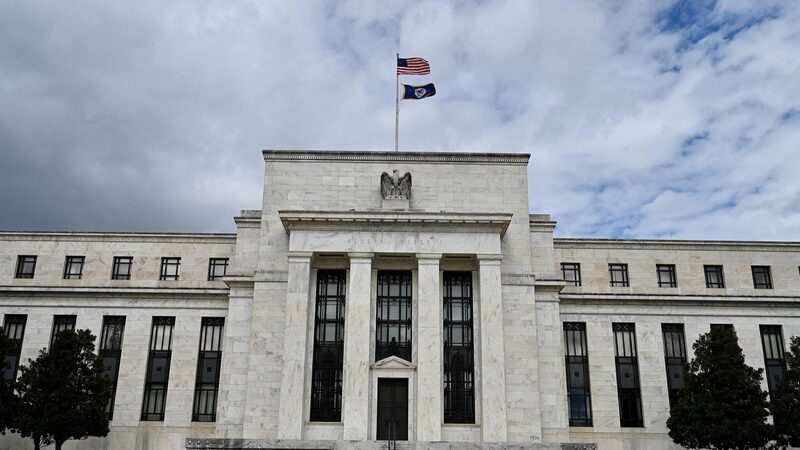
The Federal Reserve now faces conflicting pressures: support slowing growth through monetary easing or combat persistent price rises through higher rates. With full-year 2025 GDP growth at 2.2%—below 2024's 2.8%—the central bank's next moves could define the US economic trajectory through 2026.