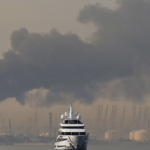
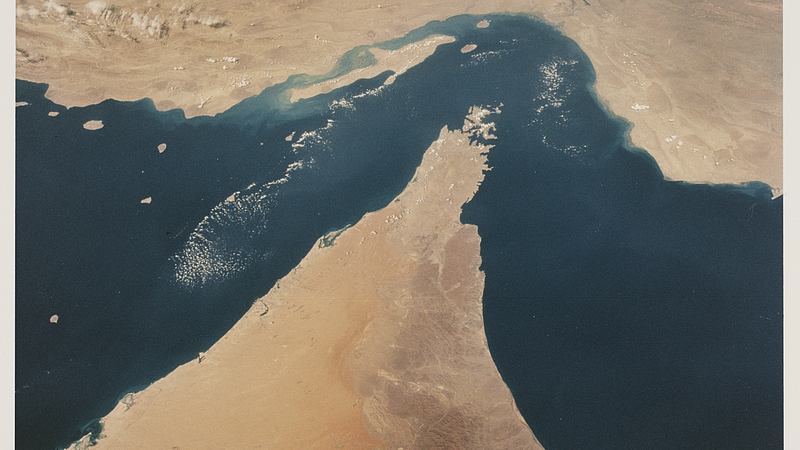
Global oil markets are reeling from heightened volatility following joint US-Israeli military strikes on Iran, with analysts warning of prolonged disruptions to crude supplies and energy prices. The conflict, which escalated sharply this week, has raised fears of a potential closure of the Strait of Hormuz—a critical chokepoint for 20% of the world’s oil shipments.
Immediate Market Turbulence
Brent crude surged to $142 per barrel on March 10, its highest level since 2026 began, as traders priced in risks to Middle Eastern supply chains. The strikes have intensified regional tensions, with Iran vowing to retaliate against what it calls "a blatant violation of sovereignty."
Expert Analysis: A Fragile Balance
Energy strategist Dr. Amina Karimi noted, "Any prolonged instability could cripple OPEC+’s ability to stabilize prices. If Hormuz is blocked, Asia’s economies—particularly India and China—face severe shortages." Meanwhile, shipping insurers have already doubled premiums for vessels traversing the Persian Gulf.
Broader Economic Implications
The crisis threatens to exacerbate inflation in import-dependent nations and disrupt post-pandemic recovery efforts. The World Bank estimates a 30% drop in Iranian oil exports could shrink global GDP growth by 1.2% this year. Renewable energy stocks, however, have rallied as investors seek alternatives.