As China's annual Two Sessions convene in March 2026, policymakers and business leaders are closely analyzing revisions to the Foreign Trade Law that promise to reshape global economic engagement. The meetings of the National People's Congress and Chinese People's Political Consultative Conference (CPPCC) have become a crucial platform for decoding China's economic priorities in what analysts describe as a pivotal year for post-pandemic recovery.
Modernizing Trade Frameworks
CPPCC member Vivian Jiang, Chair of Deloitte China, emphasized the law's focus on digital trade adaptation during a recent panel discussion: "The 2026 revisions address critical gaps in cross-border e-commerce regulations and data security protocols, creating more predictable conditions for overseas investors."
Streamlining Global Partnerships
Shanghai Jiao Tong University's Lu Ming highlighted structural changes: "By removing 23 outdated administrative approval items and simplifying customs clearance procedures, we're seeing tangible improvements in supply chain efficiency. This aligns with China's commitment to high-standard opening-up."
Strategic Implications
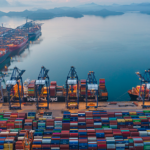
The revisions come as China reports a 4.8% year-on-year increase in January-February 2026 exports, with ASEAN maintaining its position as the mainland's largest trading partner. New provisions for green technology transfers and intellectual property protection are particularly relevant for renewable energy and AI sectors.
While the full text of amendments awaits formal publication, business communities worldwide are preparing operational adjustments to leverage these emerging opportunities in the world's second-largest economy.