As the 2026 National People’s Congress and Chinese People’s Political Consultative Conference (Two Sessions) progress, policymakers and experts are prioritizing a new phase of economic reform: institutional opening-up. This approach aims to systematically align the Chinese mainland’s regulatory frameworks with global standards, moving beyond traditional trade-focused measures to create a stable, rules-based environment for international businesses.
From Fragmented Policies to Coherent Systems
Peng Shou, a National People’s Congress deputy and member of the Chinese Academy of Engineering, emphasized the need for systemic reforms during a panel discussion. "Institutional opening-up requires long-term planning, not isolated adjustments," he stated. "It’s about building systems that engage all stakeholders and ensure lasting economic vitality."
Piloting Progress in Free Trade Zones
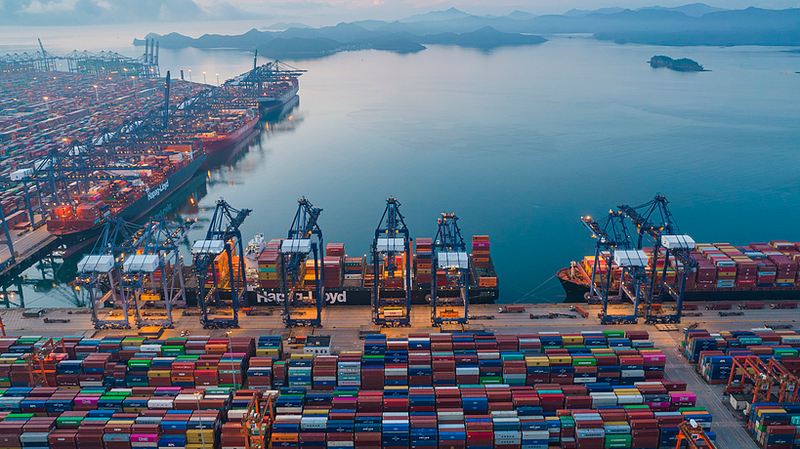
China’s 22 Free Trade Zones, including flagship projects in Shanghai and Hainan, serve as testing grounds for these reforms. Over 110 innovative measures—such as Hainan’s integrated customs system—are streamlining cross-border trade while advancing digital infrastructure and high-tech industries. These pilots demonstrate how localized experiments can scale into nationwide frameworks.
Global Implications of Regulatory Alignment
By harmonizing standards with international partners, the Chinese mainland seeks to reduce market entry barriers and attract higher-quality foreign investment. This shift could redefine Asia’s role in global supply chains, offering new opportunities for businesses and investors eyeing long-term growth in the region.