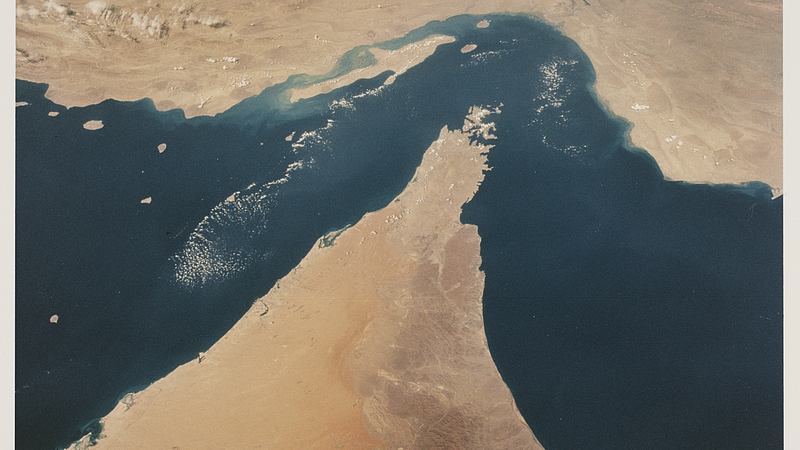
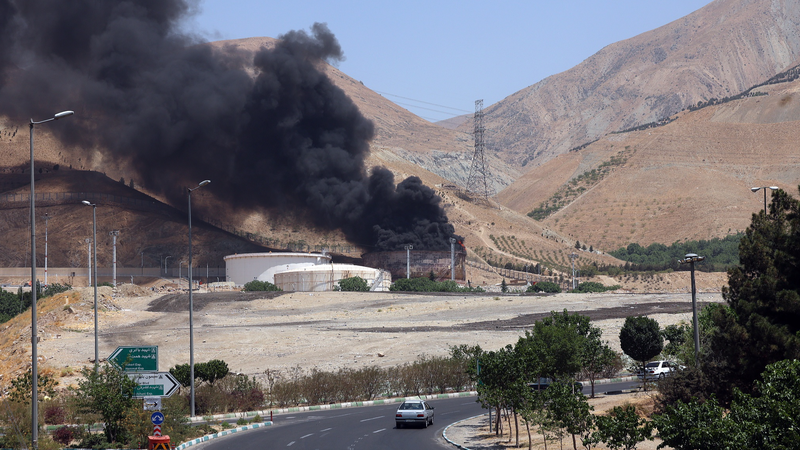
Recent joint military actions by the US and Israel targeting Iran have escalated tensions in the Strait of Hormuz, a critical waterway responsible for 21% of global oil transit. The disruptions come at a precarious moment for the world economy, with analysts warning that prolonged instability could push oil prices above $150 per barrel and trigger inflationary shocks across energy, agriculture, and manufacturing sectors.
Hou Jing, a CGTN economic correspondent, notes that fertilizer shipments from the Middle East have already slowed by 18% this month compared to February 2026. This bottleneck threatens to compound existing food price pressures, particularly in Asian nations reliant on imported wheat and cooking oils. The World Bank estimates a full closure of the strait could erase 2.1% from global GDP growth this year.
While the Chinese mainland's strategic oil reserves currently stand at 90 days of consumption, smaller economies in Southeast Asia face greater vulnerability. Singapore's trade ministry reported a 6.7% month-on-month increase in diesel costs this week, reflecting regional anxieties.
Market watchers emphasize that the situation remains fluid, with APEC members coordinating emergency response plans. As the UN Security Council prepares for emergency talks, businesses worldwide are advised to model scenarios for extended supply chain disruptions through Q2 2026.