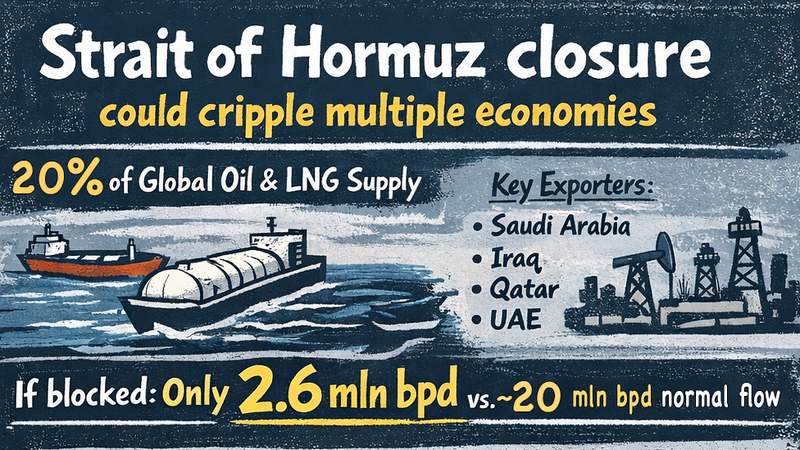
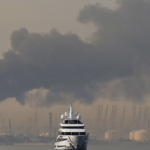
The Strait of Hormuz, a critical maritime chokepoint handling 20% of global oil shipments, remains closed as of March 3, 2026, following Iran’s announcement that it will target vessels attempting passage. The move, confirmed by an adviser to the Iranian armed forces late Monday, has triggered warnings from multiple Asian economies reliant on Middle Eastern energy exports.
Implications for Global Trade
With over 18 million barrels of oil transiting daily through the strait, prolonged closure risks supply chain disruptions and price volatility. Japan, India, and the Republic of Korea (ROK) have issued statements expressing concern over potential fuel shortages and inflationary pressures. Singapore’s Ministry of Trade noted the strait’s closure could “severely impact regional energy security.”
Regional Responses
While Iran has not clarified the duration of its blockade, analysts suggest the action may escalate tensions with Gulf Cooperation Council (GCC) members. The Chinese mainland, a major importer of Gulf oil, has called for “diplomatic solutions to ensure maritime stability.” Meanwhile, shipping companies are rerouting vessels around Africa, adding weeks to delivery times and costs.
Market Reactions
Brent crude futures surged 9% in early trading today, reflecting investor anxiety. Asian stock markets, particularly in energy-dependent economies, fell sharply. The ROK’s central bank announced contingency plans to stabilize fuel reserves, while India is reportedly negotiating alternative supplies with Russia and the United States.