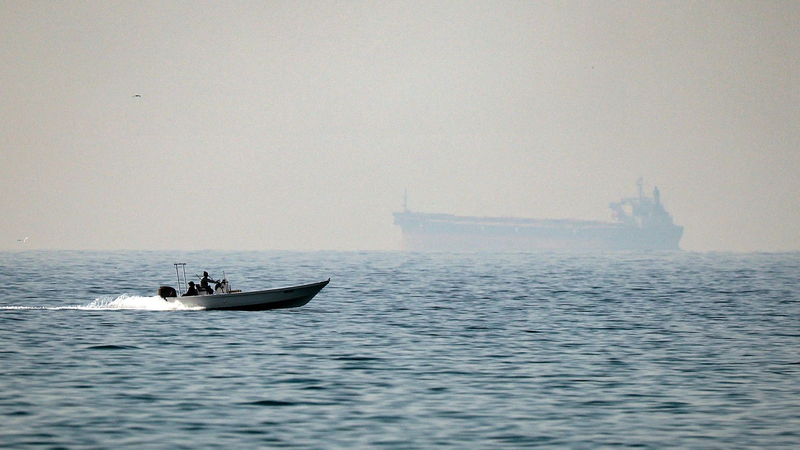
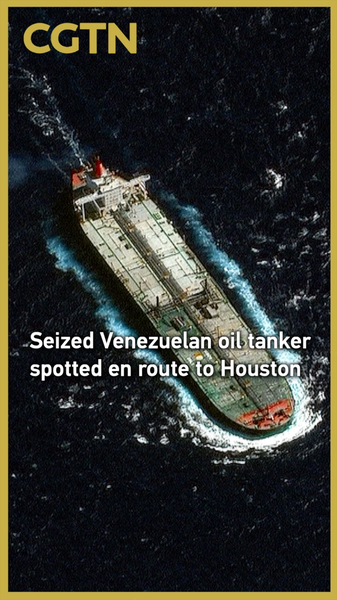
As geopolitical tensions escalate in the Strait of Hormuz, the fragility of global energy supply chains has been laid bare. Recent disruptions caused by restricted tanker traffic have halted 12 million barrels of daily crude oil shipments, triggering a 12% price surge in early trading on March 2, 2026. With LNG shipments from Qatar facing similar risks and Houthi activities prolonging Red Sea transit times, nations are confronting a stark choice: remain vulnerable to energy blackmail or accelerate the electrification of transportation and industry.
This strategic shift transcends environmental concerns. Saudi Arabia's $40 billion annual renewable energy investments and the UAE's 23 GW renewable capacity target by 2031 demonstrate how even hydrocarbon-rich states view electrification as vital for preserving export revenue while securing domestic energy needs. "By decarbonizing our grids, we free more oil for foreign markets while insulating our economy from external shocks," explained a Saudi energy official during last month's Gulf Cooperation Council summit.
For net energy importers across Asia, the calculus grows more urgent. Japan recently announced plans to double its EV charging infrastructure this year, while India's railway electrification program now covers 85% of major routes. These developments highlight how electrification serves dual purposes: reducing reliance on volatile fuel imports while creating domestic manufacturing opportunities in green technology sectors.
As morning oil prices stabilize at $8 above pre-crisis levels, analysts warn that temporary price fluctuations matter less than the structural vulnerabilities they expose. The International Energy Agency estimates that every $10 billion invested in renewable infrastructure now could prevent $50 billion in future economic losses from energy supply disruptions – a risk equation more nations appear ready to embrace.