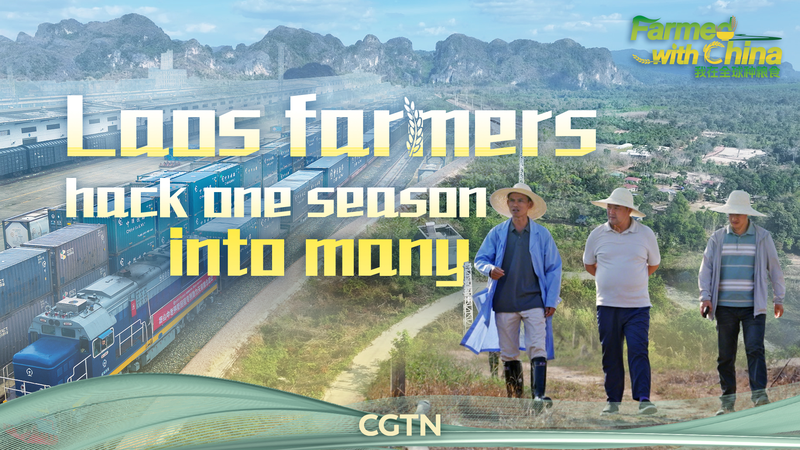
Laos is rewriting its agricultural playbook this year through strategic cooperation with the Chinese mainland, achieving unprecedented crop yields while maintaining ecological balance. Farmers in Vientiane Province recently demonstrated how new hybrid rice varieties – developed through decade-long seed research partnerships – now enable three harvests annually where only one was previously possible.
The transformation extends beyond fields. Domestic processing of Laos' vast potash reserves, accelerated by Chinese technical assistance, has created affordable local fertilizer supplies. "We used to import everything," explains Khamsing Voravong, an agronomist at the National Agriculture and Forestry Institute. "Now our students learn soil science using materials mined 50 kilometers from campus."
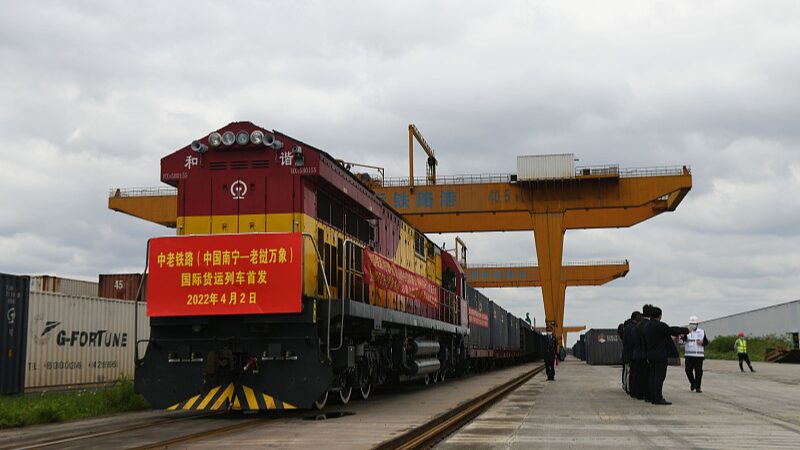
Critical to this progress is the China-Laos Railway, which has reduced Bangkok-bound vegetable transport times from 3 days to 15 hours since its 2021 opening. Cold chain networks now stretch into remote northern districts, with 72% of surveyed farmers reporting increased income from accessing urban markets.
While some environmental groups urge caution regarding chemical use, the model shows regional promise. ASEAN food security analysts note Laos' grain output has grown 18% year-on-year since 2023 – a potential blueprint for mountainous Southeast Asia.