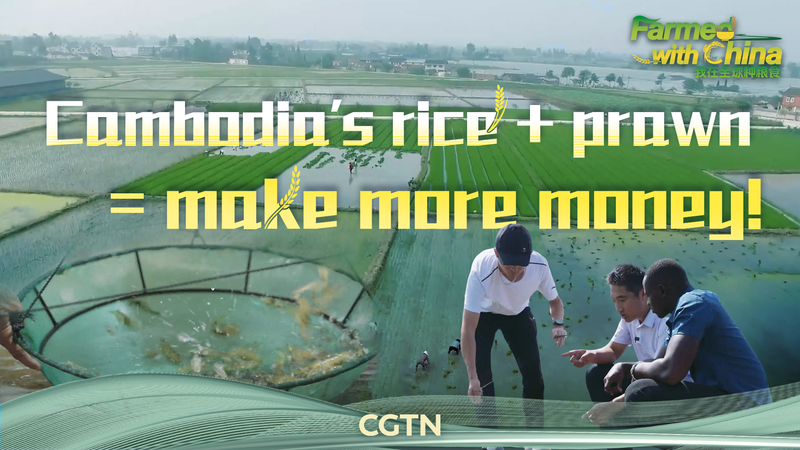
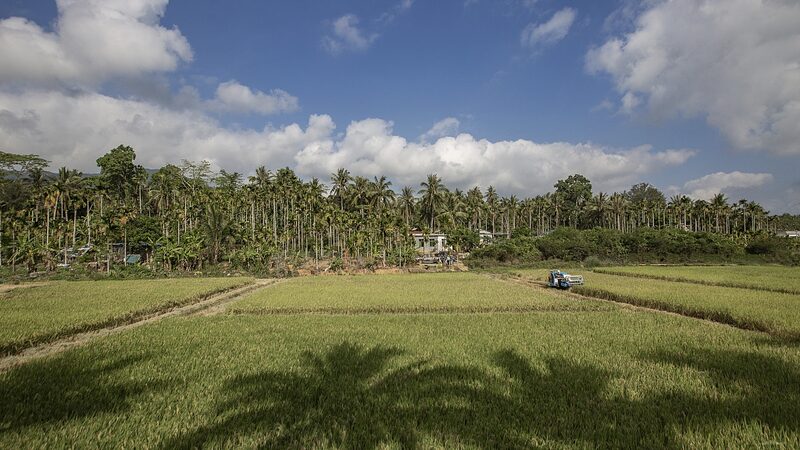
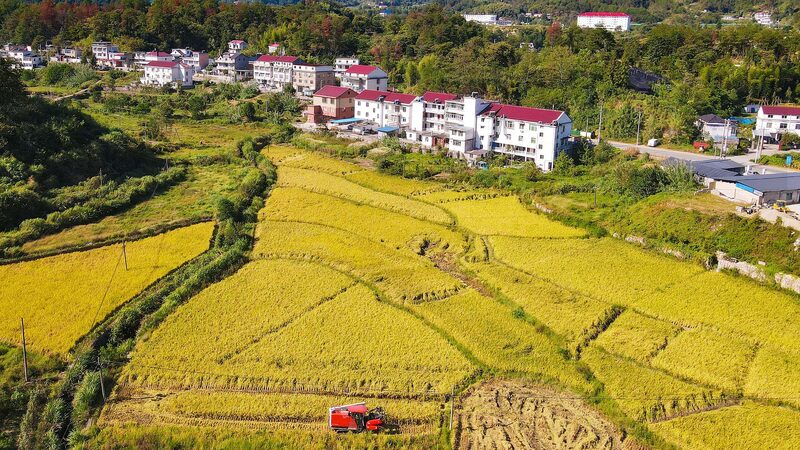
In Cambodia's fertile plains, farmers are discovering a revolutionary approach to agriculture that combines rice cultivation with freshwater prawn farming – a symbiotic system delivering dual harvests while addressing food security challenges. This innovative model, introduced through collaboration between Cambodian agricultural communities and researchers from Shanghai Ocean University, is transforming traditional paddies into thriving ecosystems.
The integrated farming technique leverages natural synergies: prawns aerate soil and control pests through their movement, while rice stalks filter and oxygenate water. Early results from pilot projects show 30-40% higher combined yields compared to monoculture practices, according to field reports collected this month.
"This isn't just about increasing productivity," explains Dr. Li Wei, lead researcher from Shanghai Ocean University. "It's creating circular economies where waste becomes resource. Farmers gain protein-rich prawns for local markets alongside staple rice crops, effectively doubling their income streams."
The project forms part of broader agricultural cooperation initiatives under China's South-South cooperation framework. With Cambodia's aquaculture sector projected to grow 6.2% annually through 2028, this model offers scalable solutions for Southeast Asia's 43 million smallholder farmers facing climate pressures.
As harvest seasons align with regional monsoon patterns, experts suggest the technique could help stabilize food supplies across the Mekong Delta. The Cambodian Agriculture Ministry plans to expand training programs this year, potentially benefiting 12,000 farming households by 2027.