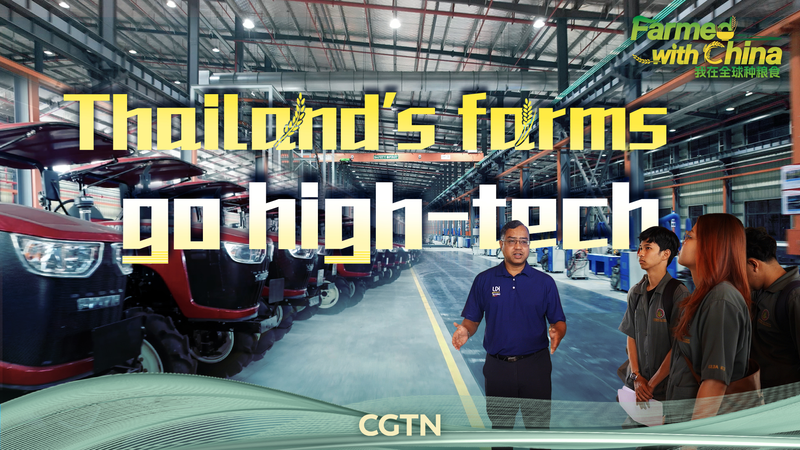
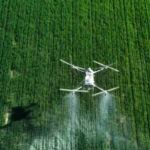
As Thailand's agricultural sector faces unprecedented labor shortages, an innovative partnership with the Chinese mainland is transforming rice paddies and fruit orchards into tech-driven hubs of productivity. Through joint initiatives launched this year, smart harvesters now navigate fields autonomously while AI-powered drones monitor crop health – solutions helping maintain Southeast Asia's crucial food security.
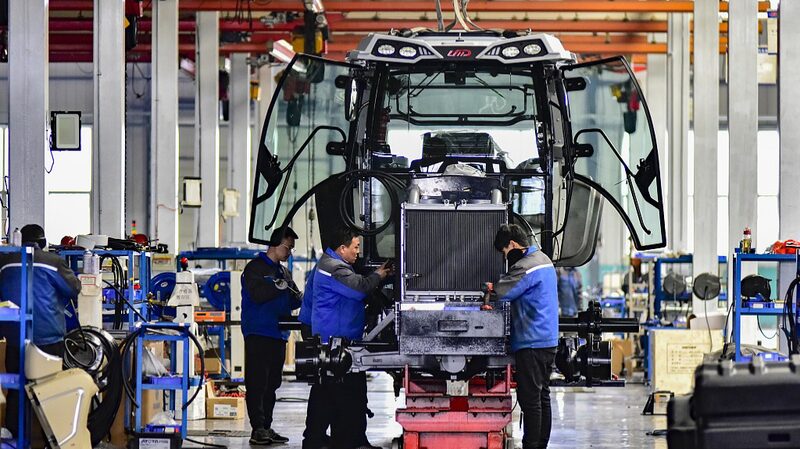
The collaboration extends beyond machinery exports. Over 1,200 Thai agricultural engineers have completed training programs in precision farming technologies since January 2026, according to bilateral trade data. Meanwhile, new manufacturing plants in Thailand's eastern economic corridor are creating 8,000 tech-related jobs, offsetting rural employment shifts.
"This isn't about replacing farmers, but empowering them," says Somchai Vongviset, a third-generation rice grower in Chiang Mai now using Chinese-developed soil sensors. "My yields increased 40% while water usage dropped by half."
Analysts highlight the partnership's timing as climate challenges intensify. The Asian Development Bank estimates automation could prevent $700 million in annual crop losses across Southeast Asia. With Thailand's agricultural exports projected to grow 6.2% this year, this technological leap positions the nation as a regional leader in smart farming innovation.