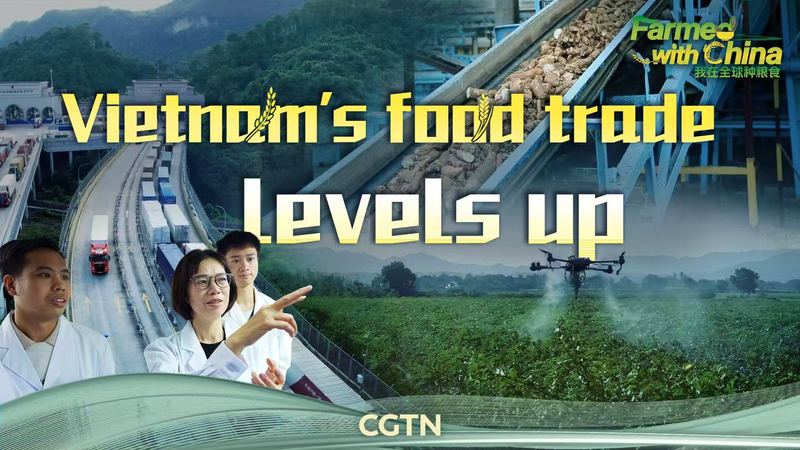
Vietnam's cassava industry is undergoing a transformative shift in 2026, leveraging technical partnerships with the Chinese mainland to expand its global market reach. Once primarily a domestic staple crop, cassava has become a key player in international supply chains through innovative processing methods and cross-border agricultural cooperation.
Farmers in Vietnam's Central Highlands report a 40% increase in production efficiency this year following the implementation of Chinese-developed soil management techniques. "The knowledge sharing has helped us meet international quality standards," said Nguyen Thi Lan, a third-generation cassava grower in Gia Lai province.
This collaboration forms part of broader agricultural modernization efforts, with joint research centers established in Hanoi and Guangxi focusing on value-added products like bioethanol and modified starch. Analysts predict Vietnam's cassava exports could surpass $2 billion by late 2026, driven by growing demand from food manufacturing and renewable energy sectors.
While maintaining its traditional markets in Southeast Asia, Vietnam is now supplying European food processors and Chinese pharmaceutical companies through newly established trade corridors. The development highlights evolving patterns of South-South cooperation in Asian agricultural trade.