The US Supreme Court ruled on Friday, February 20, 2026, to strike down a package of global tariffs imposed during Donald Trump's presidency, declaring the measures lacked legal justification under the International Emergency Economic Powers Act. The 6-3 decision immediately invalidated the tariffs, with the White House confirming their cessation.
Financial markets rallied following the news: the Dow Jones Industrial Average rose 0.47% to 49,625.97, while the S&P 500 and Nasdaq Composite Index gained 0.69% and 0.9%, respectively. Analysts attributed the surge to reduced trade policy uncertainty.
However, the ruling carries fiscal complexities. Economists at the Penn Wharton Budget Model estimate over $175 billion in tariff revenue could now require refunds, potentially straining federal budgets. The decision also deals a blow to the Trump administration's legacy of protectionist trade policies.
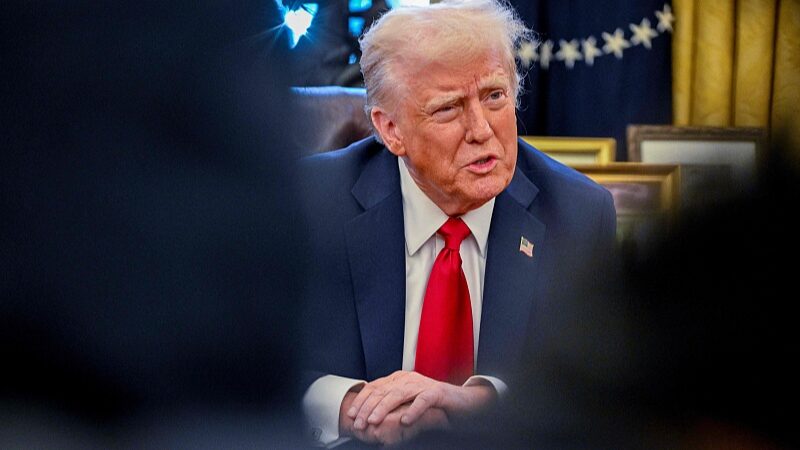
Trade tensions reignited hours later when Trump announced a new executive order imposing a 10% tariff on all imports, effective immediately. The move has drawn criticism from global trade bodies, with experts warning of renewed market volatility and supply chain disruptions in 2026.