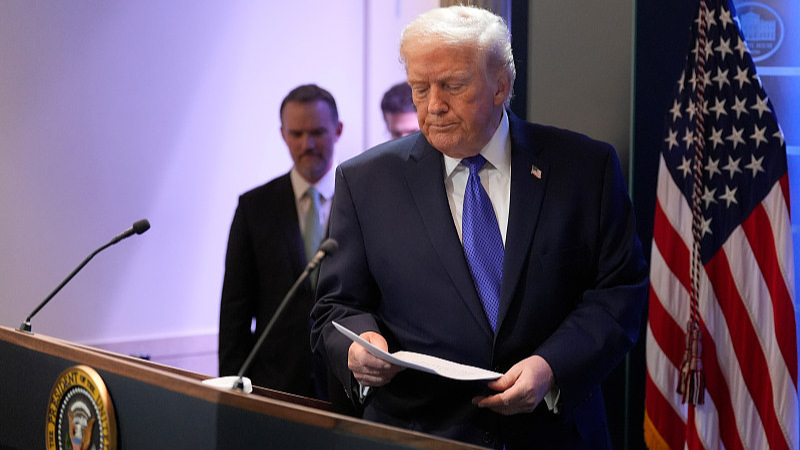
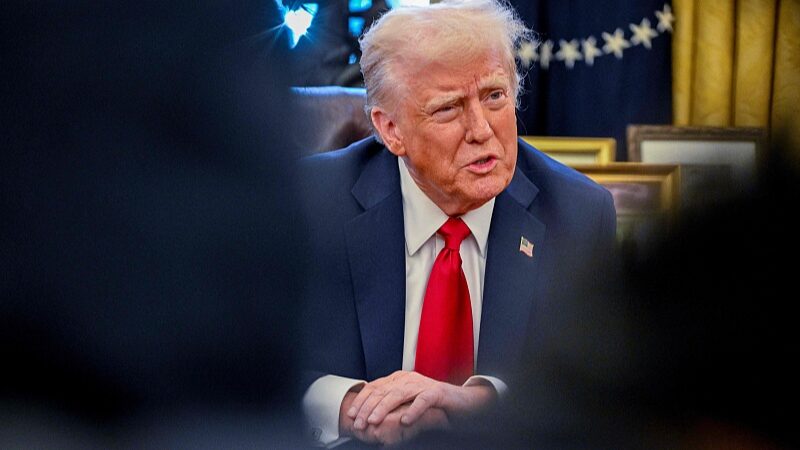
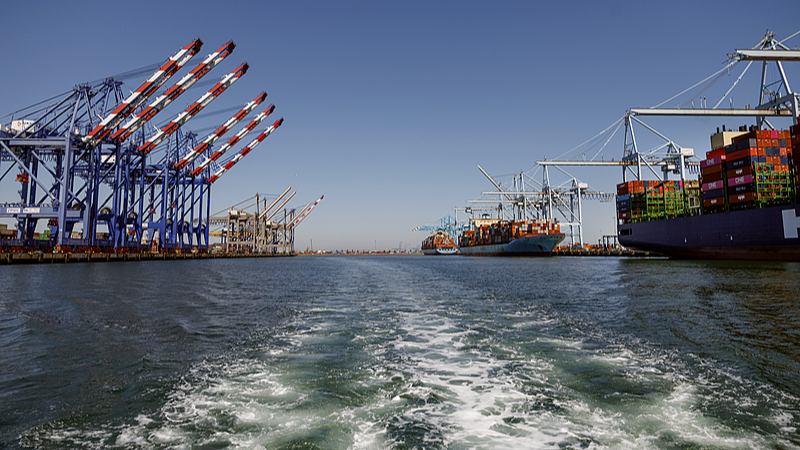
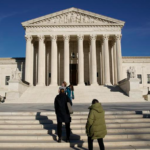
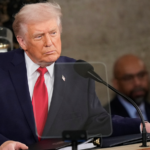
The U.S. Supreme Court's landmark decision on 20 February 2026 to strike down significant portions of former President Donald Trump's tariffs has drawn widespread international praise, though analysts caution that lingering trade policy questions could continue to unsettle global markets.
In a 6-3 ruling, the court found the tariffs—imposed under the International Emergency Economic Powers Act—exceeded executive authority, reaffirming Congress's constitutional role in taxation. South African political analyst Sandile Swana called the tariffs "legally baseless," noting they disproportionately harmed U.S. businesses and consumers.
European markets rallied immediately after the verdict, with France's CAC 40 briefly surpassing 8,500 points for the first time. Portuguese commentator Rui Cardoso described the ruling as a "strategic reset" for trade relations, urging the EU to adopt firmer negotiating stances in future talks.
African economists offered measured optimism. South Africa's Chris Harmse predicted potential relief for automotive and agricultural exporters, while Rwandan economist Teddy Kaberuka warned that developing economies remain vulnerable to ongoing trade policy shifts. "The tariffs destabilized global supply chains and eroded trust in predictable trade frameworks," Kaberuka noted.
Despite the ruling, former U.S. official Edward Fishman emphasized that tariffs could still be deployed through alternative legal mechanisms, leaving room for future trade disputes. Analysts globally agree that while the decision curbs unilateral tariff measures, the long-term trajectory of U.S. trade strategy remains uncertain.