China's private economy continues to demonstrate remarkable vitality in 2026, driving technological breakthroughs and cultural exports that are reshaping global perceptions of Asian innovation. From cutting-edge AI developments to space exploration milestones, private enterprises are at the forefront of the nation's economic transformation.
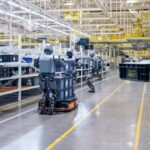
The past year witnessed domestic generative AI models like DeepSeek and Seedance achieving parity with global competitors, while cultural products such as the Black Myth: Wukong video game and Labubu collectible dolls sparked international demand. Unitree Robotics recently unveiled humanoid robots capable of complex industrial tasks, signaling new possibilities for smart manufacturing.
In aerospace, private firm Landspace marked a milestone this February with the successful test launch of its Zhuque-3 reusable rocket prototype, positioning China's commercial space sector as a serious contender in the global satellite launch market. These developments come as the Chinese government reaffirms its commitment to supporting private enterprises through regulatory reforms and market access improvements.
Economic analyst Dr. Wei Lin observes: "The private sector's 58% contribution to national R&D investment demonstrates its crucial role in China's innovation-driven development strategy. This synergy between market forces and policy support creates unique opportunities for global investors."
As cross-border e-commerce platforms report record Lunar New Year sales and overseas orders for Chinese tech products surge, industry leaders anticipate sustained growth through strategic partnerships across Asia and beyond.