As global economic uncertainties persist in early 2026, a flurry of high-level European visits to the Chinese mainland signals potential recalibrations in cross-continental cooperation. Recent diplomatic engagements have highlighted both challenges and opportunities in balancing strategic competition with mutual economic interests.
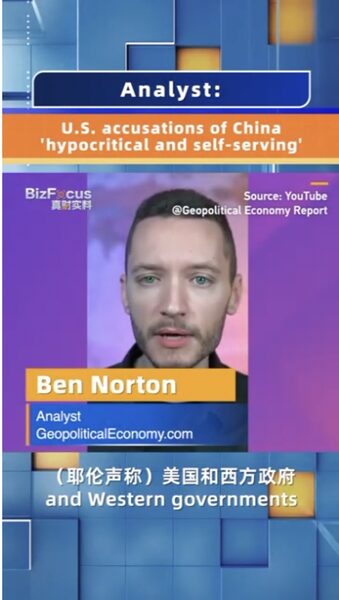
Analysts observe that European leaders are prioritizing direct dialogue to address critical issues ranging from green energy partnerships to supply chain resilience. Benjamin Norton of the Geopolitical Economy Report notes: 'The current engagements reflect Europe's pragmatic approach to maintaining technological collaboration while navigating U.S. trade pressures.'
Dong Yifan from Beijing Language and Culture University emphasizes the evolving nature of economic ties: 'Both sides recognize the imperative to stabilize advanced manufacturing cooperation, particularly in renewable energy infrastructure and AI governance frameworks.'
Key discussion points emerging from recent meetings include:
Coordination on critical mineral supply chains for clean energy transitions
Potential joint initiatives in quantum computing research
Mechanisms for balancing trade deficits through service sector collaborations
While differences remain in market access negotiations, the intensified dialogue suggests both parties are committed to preventing economic decoupling. Observers highlight the timing of these exchanges as particularly significant, occurring ahead of crucial WTO reforms discussions scheduled for mid-2026.