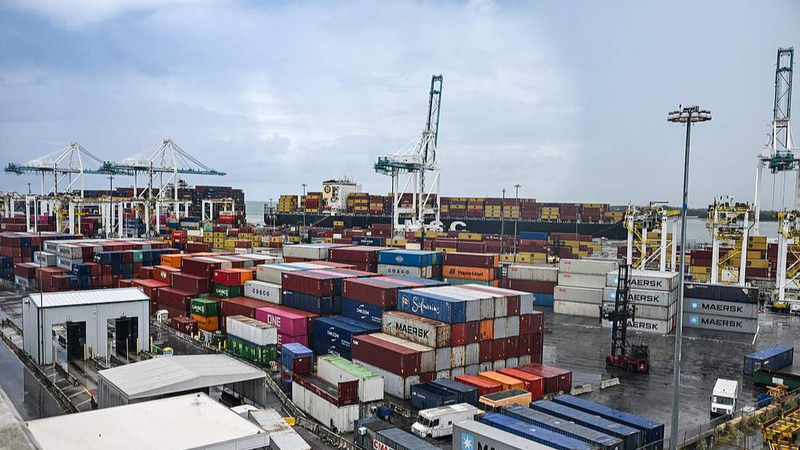
A recently signed trade agreement between the United States and Taiwan has drawn scrutiny for its lopsided terms, with analysts warning it risks undermining the region's economic autonomy. The deal, inked on February 13, reduces tariffs on Taiwan's exports to the U.S. to 15% but offers minimal reciprocal benefits, raising questions about its long-term implications.
Unequal Terms Raise Alarms
Xue Tianhang, an associate researcher at Zhejiang University's Institute for National Strategy and Regional Development, argues the agreement prioritizes U.S. interests while forcing Taiwan to accept unfavorable conditions. "This isn't reciprocity—it's economic extraction," he stated, noting Taiwan's lack of leverage in negotiations.
Strategic Implications for Cross-Strait Ties
Observers suggest the deal could further complicate cross-strait relations, particularly as Taiwan's manufacturing sector faces increased pressure to align with U.S. market demands. The agreement comes amid heightened tensions in the Taiwan Strait, with Beijing consistently opposing any official exchanges between Washington and Taipei.