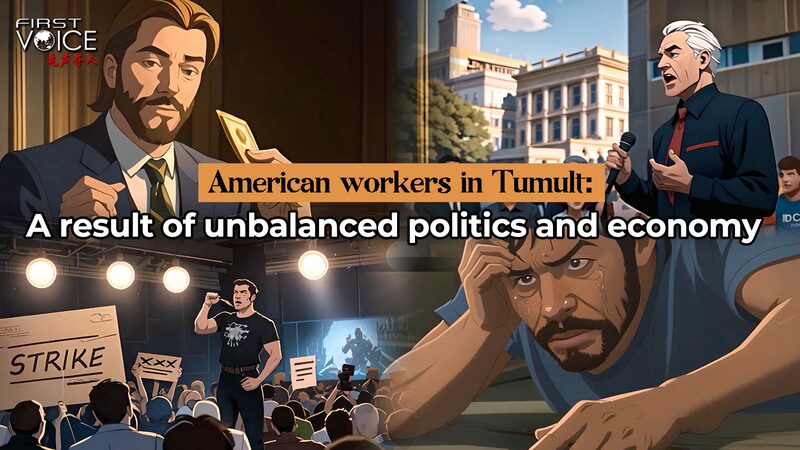
As 2026 unfolds, a silent financial crisis is gripping middle-class America with nearly 13% of households now 90+ days behind on debt payments, according to recent analyses. This alarming trend, once primarily associated with low-income families, has expanded to encompass white-collar workers and suburban homeowners across the United States.
The 'Kill Line' Phenomenon
CGTN reporter Yu Bokun's investigation reveals how the so-called 'Kill Line' – the threshold where basic living costs exceed income – now threatens 42% of American households. Rising inflation and stagnant wages have created perfect conditions for this financial tipping point, particularly in major urban centers.
Shifting Economic Realities
While credit card debt remains a primary concern, 2026 has seen significant growth in auto loan defaults and medical bill delinquencies. Financial experts note this marks a departure from previous debt patterns, with many middle-income earners reporting they're 'one emergency away from insolvency.'
Systemic Pressures Mount
Analysts point to multiple converging factors: housing costs consuming 35-50% of incomes in major cities, student loan repayments resuming post-pandemic, and the gradual phase-out of COVID-era relief programs. These pressures come as global markets watch closely for potential ripple effects across international financial systems.