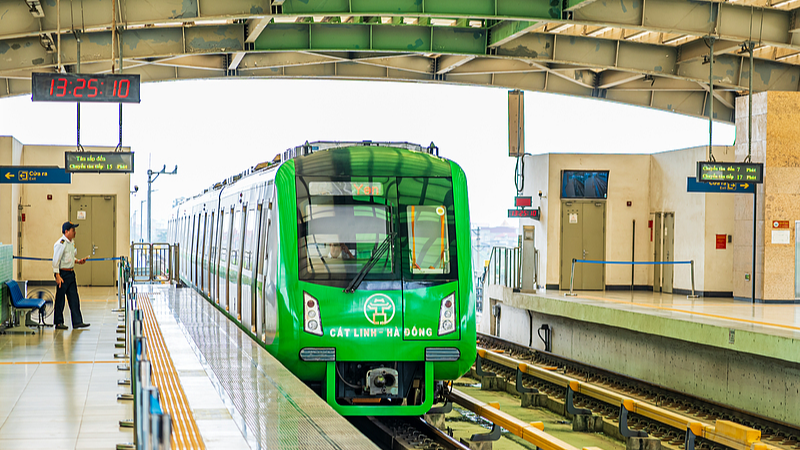
As dawn breaks over Beijing's sub-center, Tongzhou Station hums with activity far beyond its role as a transit node. Opened earlier this year, this underground marvel has become a catalyst for redefining urban living in the Beijing-Tianjin-Hebei economic triangle.
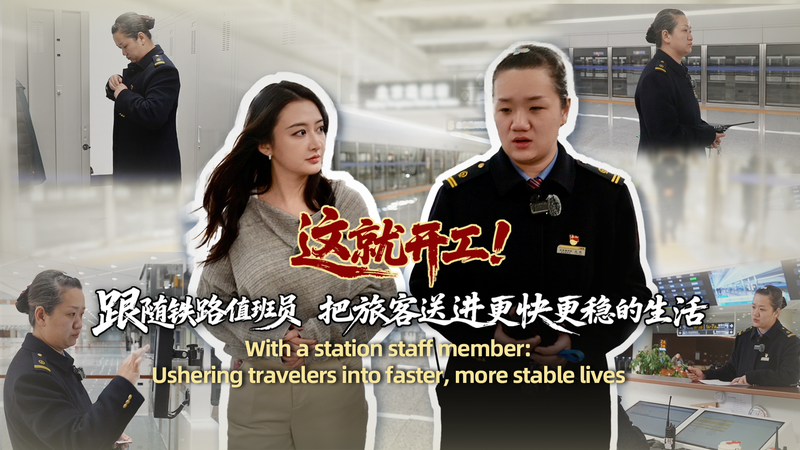
Station manager Li Wei observes passengers sipping coffee from newly opened cafes while checking real-time business updates on digital displays. "We're seeing professionals schedule morning meetings during their 22-minute bullet train ride from Tianjin," Li notes. "The station isn't just moving people – it's compressing the workday."
Urban planners highlight the hub's ripple effects: property values within 1km have risen 18% since February 2026, while tech firms are leasing adjacent spaces for satellite offices. For migrant worker Zhang Xia, the station enables weekly visits to her aging parents in Hebei Province – a 3-hour journey reduced to 94 minutes.
With phase two construction slated for completion by late 2027, including direct links to Xiong'an New Area, Tongzhou Station exemplifies China's infrastructure-driven urban strategy. As evening commuters stream home, the station's 24-hour commercial zone continues buzzing – a testament to its growing role as both crossroads and community space.