Ethiopia is intensifying efforts to sustain its industrial park expansion, a key pillar of its strategy to transform into a manufacturing hub, even as economists question the long-term financial viability of these projects. Over the past decade, the country has invested billions in developing over 20 industrial parks, which now generate more than half of its manufactured export earnings.
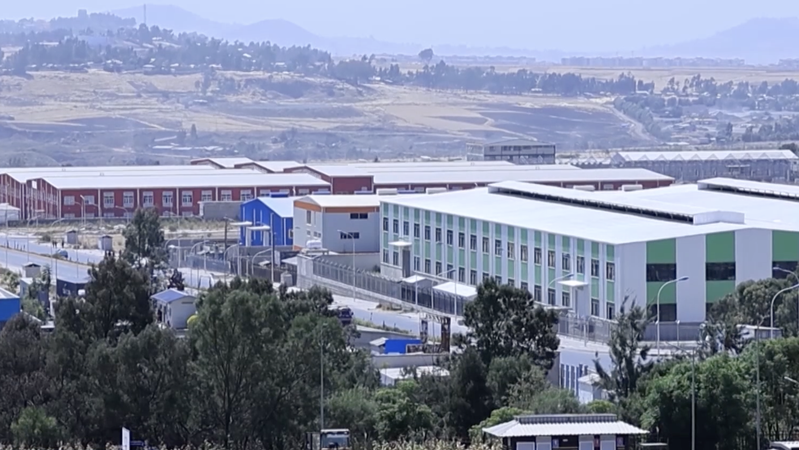
At the Bole Lemi Special Economic Zone near Addis Ababa, factories like Gelila Manufacturing PLC exemplify the model’s potential. The footwear producer employs hundreds, including Tekleberhan Nigusse, who shared: "Factories like this don’t just provide jobs—they teach skills that change lives."
Industrial Parks Development Corporation CEO Fesseha Yetagesu reported significant progress: "Our parks host 300+ investors, with 40% foreign direct investment from countries like China and India. We’ve created 90,000 jobs and exported $1.5 billion worth of goods this year." The parks now account for over 50% of Ethiopia’s manufacturing exports.
However, the initiative’s reliance on external loans—including Eurobonds and World Bank financing—has raised concerns. While the government plans to repay debts through land leases, economist Tewodros Mekonnen warns: "Non-concessional loans for park development strained debt sustainability. Ethiopia is now prioritizing concessional funding aligned with Africa’s broader financial shift."
Officials emphasize current efforts to improve productivity and investor retention, signaling a strategic pivot from rapid expansion to consolidation. As global supply chains evolve, Ethiopia’s industrial parks remain a critical test case for export-led growth in emerging economies.