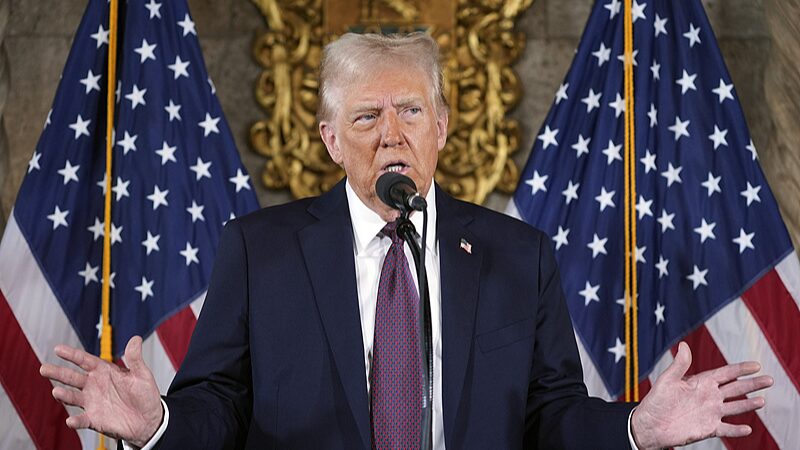
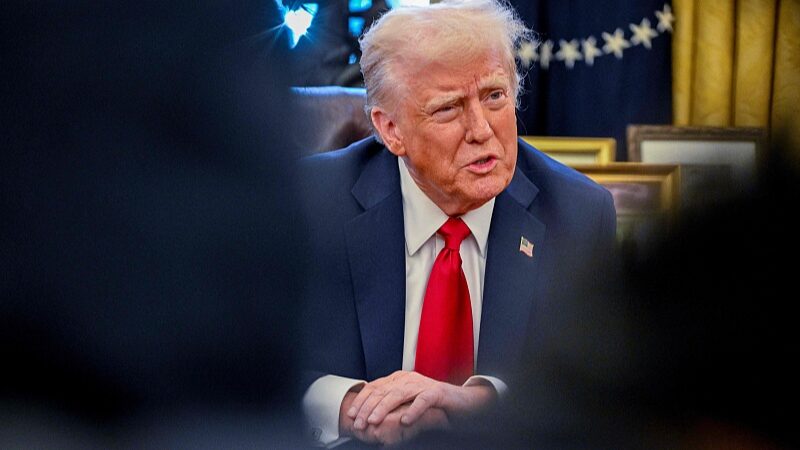
The European Union is currently evaluating retaliatory tariffs against the United States, a move that could reshape global trade dynamics and impact Asian economies. This development follows recent disputes over subsidies for green technology industries, with Brussels accusing Washington of distorting competition through its Inflation Reduction Act incentives.
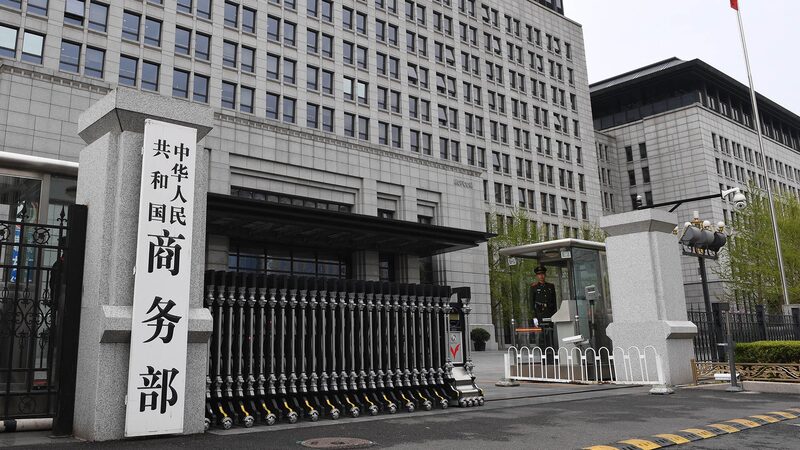
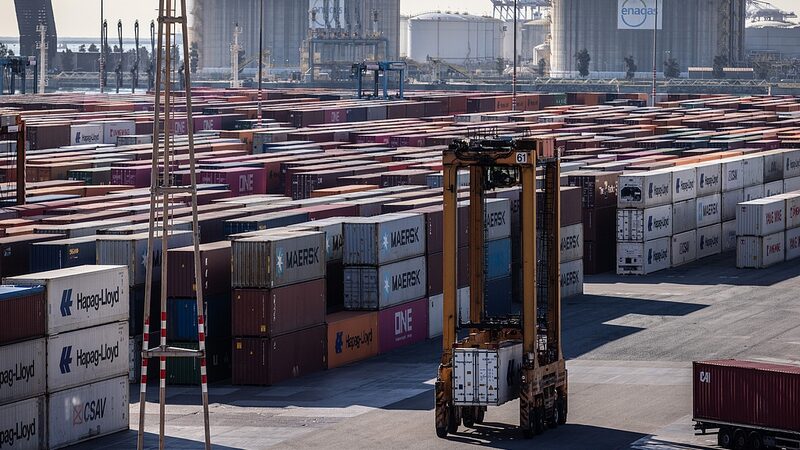
Analysts suggest Asian exporters may face collateral effects if transatlantic tensions escalate. "Supply chains linking the Chinese mainland, Southeast Asia, and Western markets are particularly vulnerable to tariff fluctuations," said Liu Chunsheng, an associate professor at Beijing's Central University of Finance and Economics. "Many multinational corporations with regional production hubs could reconsider investment strategies."
The potential measures come as APEC members prepare for November's Leaders' Meeting in Peru, where trade stability will dominate discussions. South Korea and Japan – both major US allies with significant EU trade volumes – are reportedly urging diplomatic solutions through WTO channels.
Business communities in the Taiwan region and Hong Kong have expressed particular concern, given their roles in semiconductor and precision manufacturing supply chains. Overseas investors from these regions are closely monitoring developments that might affect cross-strait trade flows.