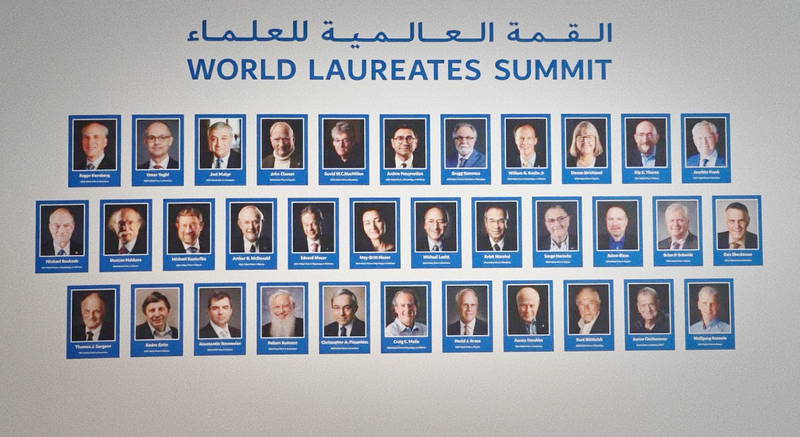
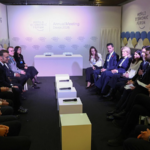
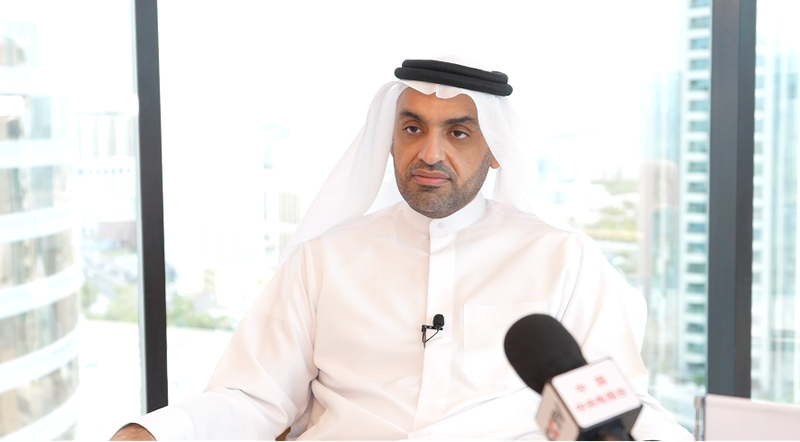
Global scientific leaders gathered in Dubai this week for the World Laureates Summit, with artificial intelligence emerging as the defining theme of 2026's premier intellectual assembly. The event, running through February 3, features unprecedented collaboration between 40 Nobel laureates and six Turing Award recipients.
World Laureates Association Chair Roger Kornberg, awarded the 2006 Nobel Prize in Chemistry, emphasized AI's limitations in keynote remarks: "While machine learning accelerates data processing, true scientific revolutions still require human intuition to challenge established paradigms."
Contrasting perspectives emerged as 1986 Turing Award recipient John Hopcroft outlined AI's transformative potential: "The real revolution isn't in pure research labs, but in applying predictive models to solve food security and healthcare challenges." His analysis highlighted ongoing projects increasing crop yields by 18-22% through AI-enhanced bioengineering.
Macau University of Science and Technology President Jian-Kang Zhu demonstrated practical applications, showcasing AI-driven "smart agriculture" systems enabling small cooperatives to optimize irrigation and pest control. "We're entering an era where village-level farms can access space station-level precision," Zhu told attendees.
As the summit concludes today, consensus emerges that AI's economic value lies not in replacing human researchers, but in creating new collaborative frameworks across scientific disciplines. The discussions set the stage for intensified cross-border partnerships in 2026's global innovation landscape.