Escalating US military and economic pressure on Iran is creating ripple effects across global markets, with analysts warning of heightened energy security concerns and inflationary pressures. This week's new Treasury Department sanctions mark the latest move in a sustained campaign that began intensifying in early 2025.
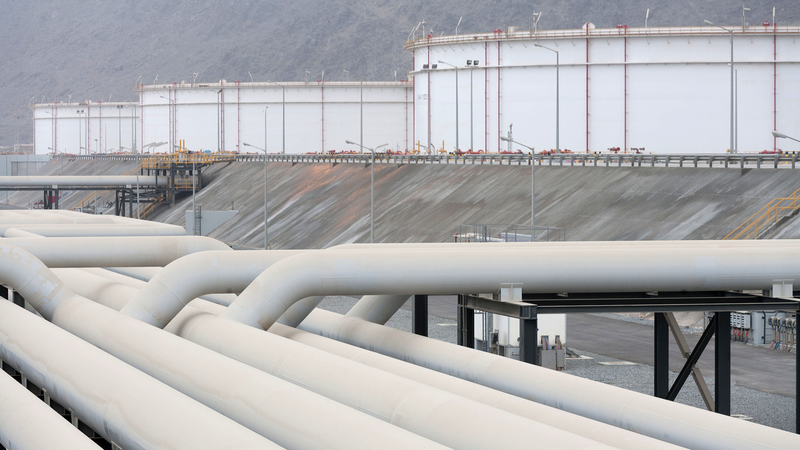
Recent measures targeting Iran's oil exports have removed approximately 1.5 million barrels per day from global markets, according to energy analysts. The restrictions come as China and India – traditionally major buyers of Iranian crude – face renewed diplomatic pressure to comply with US-led sanctions regimes.
The economic squeeze has driven Iran's inflation rate to 52% in 2025, with food prices accounting for two-thirds of the increase. University of Tehran scholar Foad Izadi noted in a recent interview that urban middle-class families now spend 72% of their income on basic necessities, compared to 58% three years ago.
Maritime insurers report rising premiums for vessels transiting the Strait of Hormuz, while shipping companies face complex compliance challenges. 'Every new sanctions list forces us to rebuild entire supply chain maps,' said a Dubai-based logistics executive speaking on condition of anonymity.
Financial markets show growing sensitivity to Middle Eastern instability, with Brent crude futures maintaining a $85-$95/barrel range since December 2025. Analysts warn prolonged tensions could disrupt post-pandemic recovery efforts in energy-dependent Asian economies.