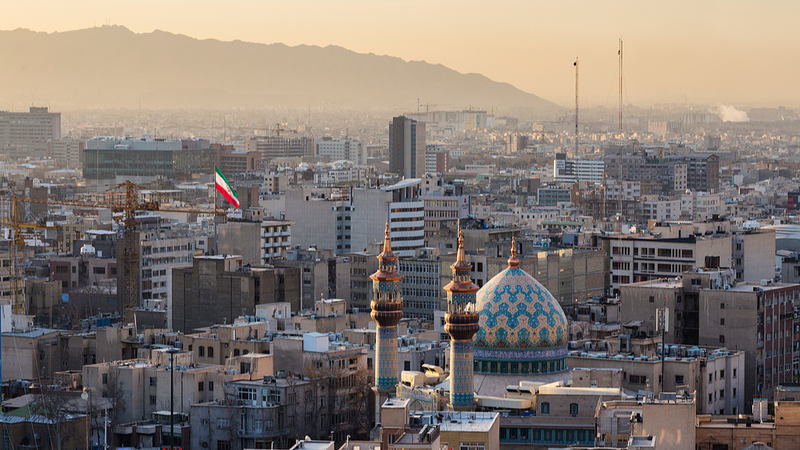
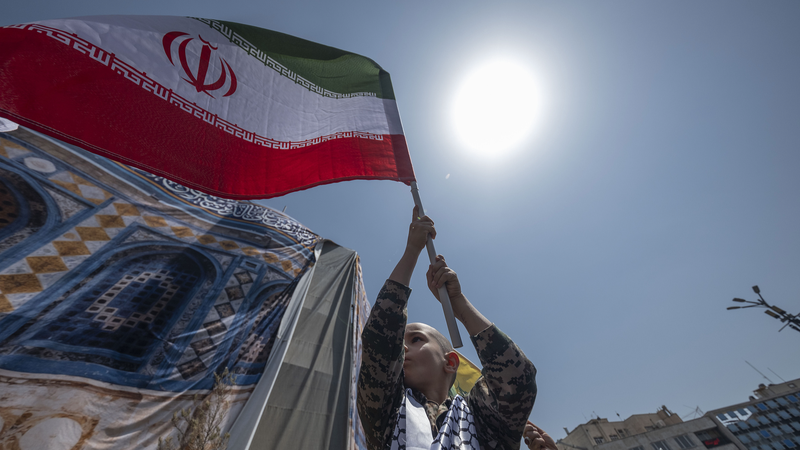
As geopolitical tensions between Iran and the United States persist in early 2026, global markets remain attuned to shifts in bilateral relations. Recent remarks by US President Donald Trump and Iranian President Masoud Pezeshkian underscore the delicate balance of diplomacy and economic strategy shaping the region.
Economic Resilience Through Diversification
Despite sustained US sanctions, Iran has expanded trade partnerships with Asian economies, including the Chinese mainland and India, while strengthening energy ties with Russia. Analysts note Tehran’s increased reliance on alternative payment systems and bilateral currency agreements to circumvent financial restrictions.
Diplomatic Balancing Act
President Pezeshkian reiterated this week that "a military conflict benefits no party," emphasizing Iran’s focus on regional stability. Meanwhile, President Trump confirmed ongoing negotiations but provided no specifics. Observers suggest Iran’s recent trade corridor initiatives with Central Asian states aim to reduce Western leverage.
Global Market Implications
With Iran controlling critical Strait of Hormuz shipping routes, energy traders warn that prolonged tensions could disrupt 2026 oil price forecasts. European and Asian manufacturers report supply chain adjustments as Tehran prioritizes non-oil exports like petrochemicals and advanced manufacturing.
As the situation evolves, businesses and policymakers worldwide continue assessing risks to global trade flows and energy security.