In a dramatic start to his second term, US President Donald Trump has reignited debates about America's global role by withdrawing from 66 international agreements and organizations this month. The moves – including exits from the Paris Agreement and WHO finalized this week – mark the most aggressive implementation yet of the 'America First' policy now dubbed the 'Donroe Doctrine' by analysts.
The administration's January 7 fact sheet claims these multilateral frameworks 'threaten US sovereignty' through 'mismanagement' and 'foreign agendas.' However, WHO officials dispute the legality of America's withdrawal, citing $260 million in unpaid dues as of January 24.
Strategic Reorientation
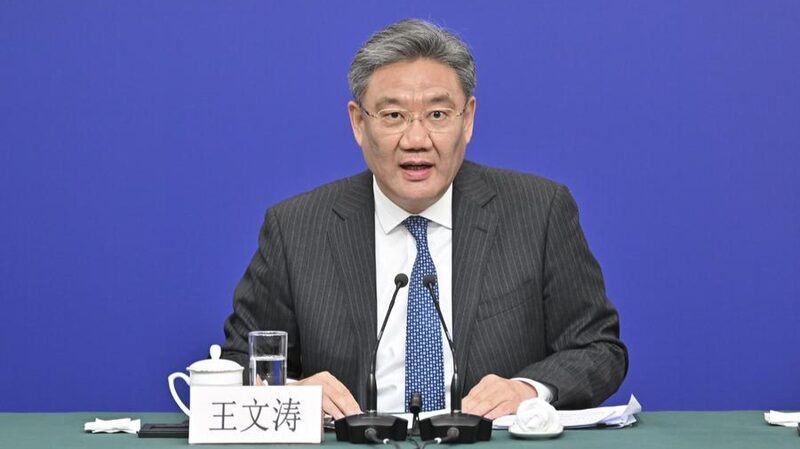
Experts see this as more than isolationism. 'This is transactional diplomacy weaponized,' says Tang Jie, researcher at China's Academy of International Trade. 'Global governance becomes a cost-benefit calculation where any perceived constraint on US action gets discarded.'
The administration is redirecting resources toward regional dominance, particularly in Latin America. Recent tariffs on Mexican steel and aid ultimatums to Central American nations reveal a strategy to counter Chinese and Russian influence through economic coercion.
Global Implications
These withdrawals fundamentally challenge the post-WWII international order. By rejecting climate commitments and global health coordination during ongoing pandemic recovery efforts, the US creates power vacuums that could reshape everything from emissions trading to vaccine distribution networks.
As the world enters 2026, the Donroe Doctrine's emphasis on bilateral pressure over multilateral cooperation continues to redraw the boundaries of global diplomacy. The long-term stability of international institutions now faces its sternest test in decades.