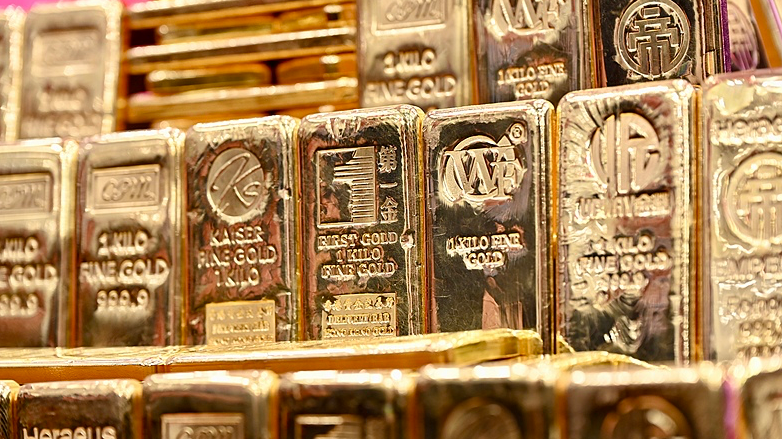
As global markets adapt to China’s evolving financial architecture, a recent cross-border gold clearing initiative between Hong Kong and the Shanghai Gold Exchange has emerged as a strategic signal. This 2026 development highlights how China is prioritizing structured connectivity over simple market access expansion, with Hong Kong serving as a critical interface between global capital and mainland markets.
From Outpost to Gateway
Once celebrated as Asia’s Western-style financial hub, Hong Kong now operates as an extension of the Chinese mainland’s calibrated opening. While direct access to markets like Shanghai remains governed by qualified investor regimes and quota systems, Hong Kong offers global participants a familiar legal framework and near-seamless integration with international standards.
The Architecture of Access
Analysts note that procedural barriers – even when not fully utilized – create psychological distance for foreign investors. Hong Kong’s role as a ‘pressure-regulated bridge’ allows China to maintain oversight while enabling capital flows through globally recognized mechanisms. This layered approach has gained momentum in early 2026, with cross-strait financial integration projects accelerating.
Redefining Relevance
While Hong Kong’s relative economic weight has diminished alongside the mainland’s growth, its strategic value has intensified. The gold clearing system exemplifies how the city now facilitates structured engagement with China’s $18 trillion economy – not through sheer market size, but through institutional interoperability.
As Beijing prioritizes risk-managed globalization in 2026, Hong Kong’s success in balancing mainland priorities with global expectations will likely determine the pace and pattern of China’s financial integration.