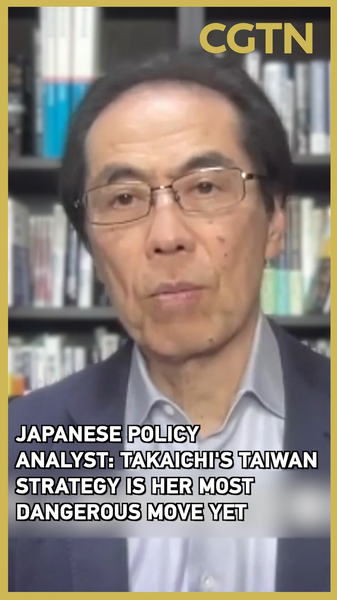
As Japan prepares for an early parliamentary election scheduled for February 8, Prime Minister Sanae Takaichi's controversial stance on cross-strait relations has drawn sharp international attention. The political maneuver comes amid growing concerns about regional stability in East Asia.
Last November, Takaichi made remarks regarding the Taiwan region that directly challenged Beijing's clearly stated position on what it considers a core sovereignty issue. The Chinese government has consistently maintained that Taiwan is an inalienable part of its territory since the establishment of diplomatic relations with Japan in 1972.
Analysts suggest the timing of these comments appears calculated to influence domestic politics ahead of the snap election, potentially at the cost of Japan's economic interests in Asia. Cross-strait trade accounted for $365 billion in bilateral commerce last year, with Japanese manufacturers relying heavily on stable regional relations.
Business leaders have expressed concern about potential ripple effects. 'Unnecessary geopolitical posturing could disrupt supply chains at a time when Asia's economies are recovering from recent global challenges,' said Hiroshi Yamamoto, a Tokyo-based automotive industry analyst.
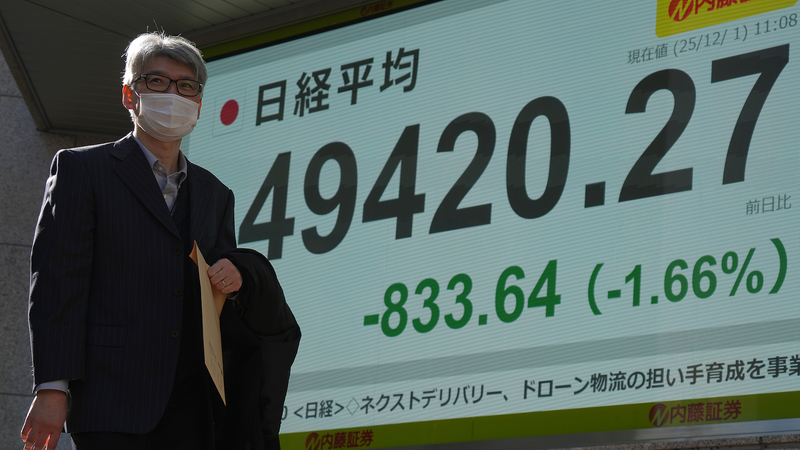
The situation presents a delicate balancing act for APEC members, particularly Southeast Asian nations seeking to maintain productive relations with both Beijing and Tokyo. Recent developments have already impacted currency markets, with the yen experiencing heightened volatility this week.